




Water Damage Restoration 24/7 – Moisture Detection & Structural Drying
Fast, professional water damage restoration, moisture detection, and structural drying services across South East Queensland.
Rapid Response Times
5 Star Rated Service
Licensed, Qualified & Insured
Water damage can occur suddenly or develop over time, affecting walls, ceilings, flooring, and internal structures. Whether caused by a burst pipe, roof leak, storm event, or hidden moisture issue, fast action is critical to prevent mould growth, material deterioration, and long-term structural damage.
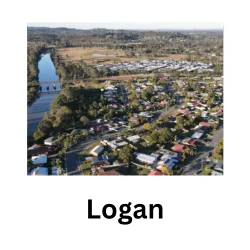
Ever Ready Solutions provides 24/7 water damage restoration across Brisbane, Logan, Ipswich, Redland Bay, Moreton Bay, and the Gold Coast. We assess the damage, identify moisture, and implement controlled structural drying to restore the property safely and efficiently.
What Water Damage Restoration Involves
Water damage is often more extensive than it appears. Moisture can travel through building materials such as plasterboard, timber, insulation, and flooring, creating hidden pockets of saturation that are not visible on the surface.
If not properly managed, this moisture can lead to mould growth within 24–48 hours, structural weakening, odours, and ongoing damage.
Professional restoration focuses on identifying all affected areas, removing excess water, drying materials to an appropriate standard, and monitoring progress to ensure the property is stabilised.
Common Causes of Water Damage
Water damage can originate from a wide range of sources, often developing both suddenly and progressively over time. In many cases, the initial cause may go unnoticed, allowing moisture to spread through building materials before visible signs appear.
Common causes include:
- Burst pipes, slow plumbing leaks, or failed pipe connections within walls or ceilings
- Roof leaks from damaged tiles, flashing failures, or storm-related entry points
- Overflowing sinks, baths, toilets, or malfunctioning appliances such as dishwashers and washing machines
- Blocked drains or sewer backups causing internal water overflow and contamination
- Failed or deteriorated waterproofing in bathrooms, balconies, or wet areas allowing water to penetrate surrounding structures
- Groundwater intrusion, poor drainage, or rising damp affecting lower walls and flooring systems
- Air conditioning leaks, condensation buildup, or high humidity environments leading to hidden moisture accumulation
In many situations, water travels beyond the original source, impacting adjacent rooms, subfloors, wall cavities, and ceiling spaces. Identifying and addressing the root cause is essential to prevent ongoing moisture issues and ensure the restoration process is effective and long-lasting.
Ever Ready Solutions provides 24/7 water damage restoration across Brisbane, Logan, Ipswich, Redland Bay, Moreton Bay, and the Gold Coast. We assess the damage, identify moisture, and implement controlled structural drying to restore the property safely and efficiently.
When This Service Is Needed
Water damage restoration is required whenever there are signs of moisture intrusion, material saturation, or environmental changes within the property. Early identification is critical, as water damage can escalate quickly if not addressed.
Common indicators include:
- Wet or damp ceilings, walls, carpets, or hard flooring surfaces
- Water staining, discolouration, or bubbling and peeling paint
- Warped, swollen, or deteriorating building materials such as skirting boards, cabinetry, or flooring
- Persistent musty odours or elevated indoor humidity levels
- Visible mould growth on surfaces or within affected areas
- Known leaks, flooding events, or recent water-related incidents
It is important to understand that visible dryness does not always indicate that the structure is dry. Moisture can remain trapped within plasterboard, insulation, timber framing, and subfloor areas, leading to hidden damage and potential mould growth.
Delaying restoration increases the risk of structural deterioration, contamination, and significantly higher repair costs. Prompt professional assessment allows for accurate moisture detection, controlled drying, and prevention of secondary damage.
Our Water Damage Restoration Process
Assessment & Moisture Detection
We carry out a detailed inspection of all affected areas using moisture meters, thermal imaging, and surface temperature readings to identify both visible and hidden moisture.
Water Extraction (If Required)
Any standing water is removed using professional extraction equipment to reduce saturation and prepare the area for drying.
Removal of Unsalvageable Materials
Materials that cannot be dried effectively, such as heavily saturated plasterboard, insulation, or flooring, may be removed to allow proper drying of the structure.
Structural Drying Setup
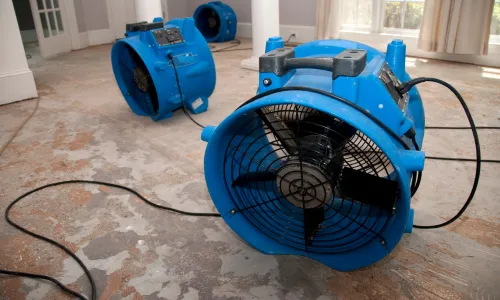
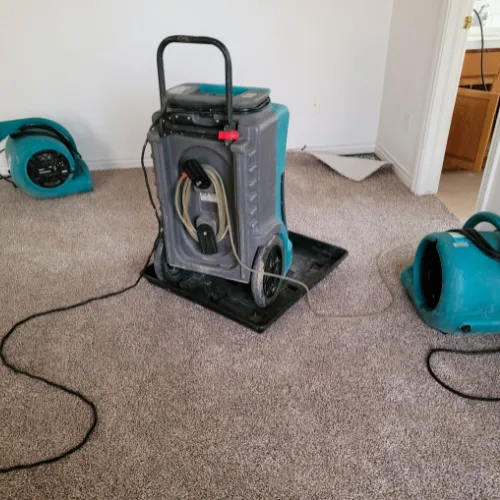
Air movers, dehumidifiers, and drying equipment are strategically placed to create airflow and remove moisture from affected materials and cavities.
Monitoring & Moisture Tracking
Moisture levels are monitored regularly to track drying progress. Adjustments are made to equipment placement and drying strategy as required.
Final Drying Verification & Reporting
Once drying goals are achieved, a final assessment is completed. Moisture readings and drying reports can be provided for insurers, property managers, or builders.
Why Structural Drying Is Critical
Simply allowing materials to “air dry” is not enough. Without controlled drying:
- Moisture remains trapped inside walls and ceilings
- Mould growth can develop rapidly
- Materials may weaken or deteriorate
- Odours and indoor air quality issues can occur
Professional structural drying ensures moisture is reduced to an appropriate dry standard, helping protect the integrity of the building and prevent secondary damage.
Moisture Detection & Hidden Water Damage
One of the most important parts of water damage restoration is identifying hidden moisture.
We use professional tools and techniques to locate moisture behind walls, under flooring, and within ceiling cavities. This ensures no affected areas are missed and helps prevent future issues such as mould growth or recurring damage.
Why Choose Ever Ready Solutions
Water damage restoration requires fast response, accurate assessment, and controlled drying methods.
Ever Ready Solutions provides 24/7 emergency response with experienced technicians trained in moisture detection, water damage restoration, and structural drying.
We use professional equipment, proven drying methods, and clear procedures to restore properties efficiently and safely.
Property managers, homeowners, insurers, and builders trust us for reliable service, transparency, and high-quality outcomes. We work with a strong focus on protecting both the property and its occupants.
Service Areas
We provide water damage restoration services throughout Brisbane, Logan, Ipswich, Moreton Bay, Redland Bay, the Gold Coast, and surrounding South East Queensland regions.
Need 24/7 Water Damage Restoration?
If your property has experienced water damage, immediate action is essential. Our team can assess the damage, detect hidden moisture, and carry out professional structural drying.
FAQ – Water Damage Restoration
How quickly should water damage be addressed?
Immediately. The sooner drying begins, the lower the risk of mould growth, structural damage, and costly repairs.
How long does structural drying take?
Drying time varies depending on the extent of damage, materials affected, and environmental conditions. Most projects range from a few days to over a week.
Can all water-damaged materials be saved?
Not always. Some materials can be dried and restored, while others may need to be removed if they are heavily saturated or contaminated.
Do you check for hidden moisture?
Yes. We use moisture meters and thermal imaging to detect moisture within walls, ceilings, flooring, and structural components.
Will this prevent mould growth?
Proper drying significantly reduces the risk of mould growth. However, timely response and correct procedures are essential.
Do you assist with insurance claims?
Yes. We can provide moisture reports, drying logs, and supporting documentation to assist with insurance claims.