

















Moisture Inspection & Leak Detection – South East Queensland
We provide expert moisture inspection services across Brisbane, Logan, Gold Coast & SEQ — using certified equipment, same-day reporting, and full compliance for insurance, real estate, and restoration projects.
Rapid Response Times
5 Star Rated Service
Licensed, Qualified & Insured
Hidden moisture is one of the most common causes of property damage — and often goes undetected until visible issues such as mould, swelling materials, or structural deterioration appear.
At Ever Ready Solutions, we provide detailed moisture inspections using advanced diagnostic equipment and practical building knowledge to locate hidden moisture, identify the source, and provide clear recommendations for repair or restoration.
Detect Hidden Moisture Before It Causes Damage
Moisture problems are rarely isolated to one visible area. Water can travel through walls, ceilings, flooring systems, and structural materials, creating hidden damage that continues to spread over time.
Without proper detection, this can lead to:
Mould growth within 24–48 hours
Damage to plasterboard, timber, and flooring
Musty odours and poor indoor air quality
Long-term structural deterioration
Increased repair and remediation costs
Early inspection allows moisture to be identified and addressed before the problem escalates.
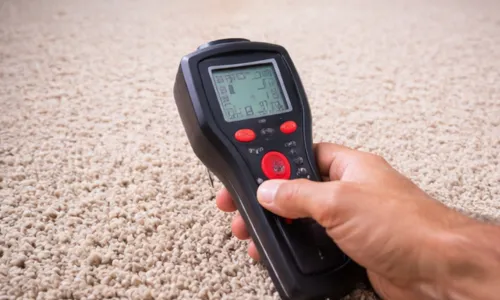
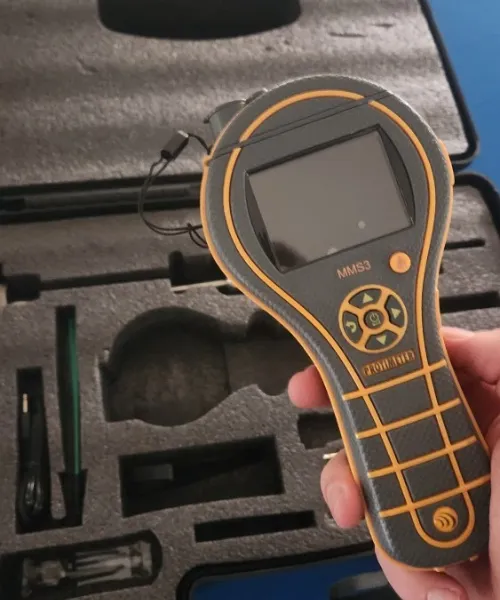
What a Professional Moisture Inspection Involves
A moisture inspection is a structured diagnostic process — not just a visual check.
Our inspections are designed to:
Locate hidden moisture within building materials
Identify the source of water intrusion or humidity
Map affected areas and moisture spread
Assess the condition of materials
Provide clear recommendations for next steps
This ensures accurate diagnosis and prevents misidentification of issues such as condensation, leaks, or rising damp.
Our Professional Moisture Inspection Process
Step 1: Site Assessment & Environmental Analysis
We begin with a detailed inspection of the property, focusing on ceilings, walls, flooring, and structural areas.
Environmental readings are recorded, including:
Relative humidity
Temperature
Dew point
Vapour pressure
These readings help determine whether the issue is caused by condensation, environmental humidity, or active water ingress.
Step 2: Moisture Mapping & Leak Detection
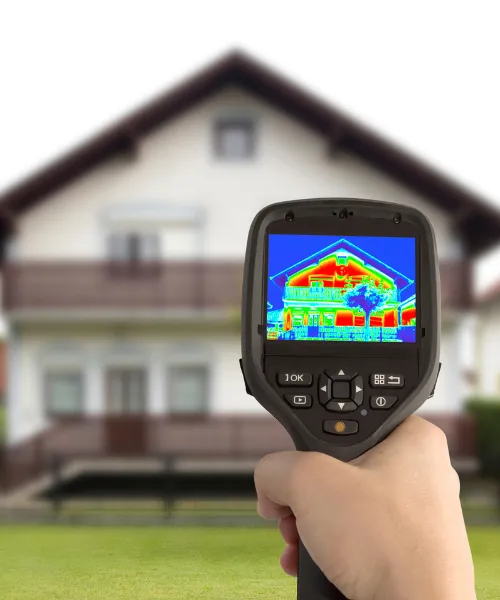
Using thermal imaging and calibrated moisture meters, we map moisture levels throughout the property.
This allows us to:
Detect hidden moisture behind walls and ceilings
Identify wet areas not visible to the eye
Track moisture movement through materials
Define the extent of affected zones
Step 3: Source Identification & Cause Analysis
Moisture follows patterns — it does not occur randomly.
We analyse all findings to determine the root cause, including:
Plumbing leaks within walls or ceilings
Roof leaks and external water ingress
Rising damp from ground moisture
Condensation caused by temperature differentials and humidity
Correctly identifying the source is essential for preventing ongoing damage.
Step 4: Material Assessment & Risk Evaluation
Different materials react differently to moisture.
We assess:
Saturation levels in plasterboard, timber, and flooring
Risk of deterioration or structural impact
Potential for mould growth
Whether materials can be dried or may require removal
Where necessary, readings are compared to unaffected areas to determine an appropriate dry standard.
Step 5: Reporting & Documentation
All findings are compiled into a clear, structured report including:
Moisture readings and mapped affected areas
Thermal imaging results
Environmental data
Identified causes and contributing factors
Recommendations for repair, drying, or remediation
Reports are suitable for:
Insurance claims
Property managers and landlords
Builders and restoration contractors
Step 6: Monitoring & Dry Verification (If Required)
Where drying or repair works are carried out, we can return to verify moisture levels.
This ensures materials have returned to an acceptable dry condition and reduces the risk of future mould growth or hidden damage.
Why Moisture Problems Are Often Missed
Many moisture issues are not visible on the surface and require proper diagnostic methods to detect.
Common reasons problems are missed include:
Moisture trapped behind walls or under flooring
Incorrect use of thermal imaging without verification
No baseline comparison to unaffected areas
Misdiagnosing condensation as a leak (or vice versa)
Accurate moisture inspection requires both the right equipment and the experience to interpret results correctly.
Book Your Moisture Inspection
If you suspect hidden moisture, leaks, or environmental issues, early inspection is essential.
Our team can assess the property, identify the cause, and provide clear recommendations for next steps.
How Moisture Leads to Mould Growth
Mould cannot develop without moisture.
Even small amounts of trapped moisture can create conditions for mould growth within 24–48 hours.
By identifying moisture early, we help prevent:
Mould contamination
Air quality issues
Costly remediation works
If mould is already present, remediation may be required alongside moisture control.
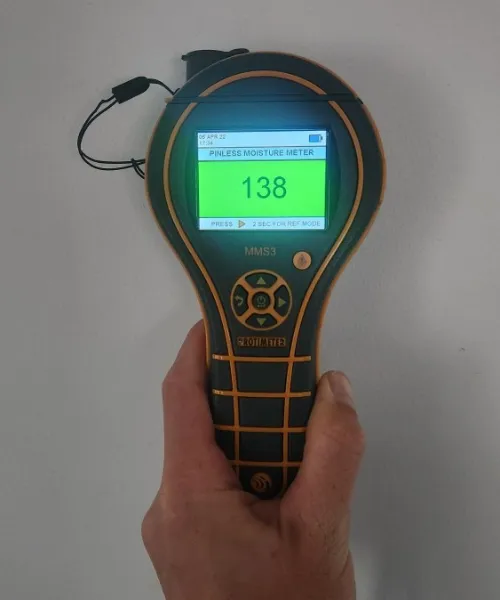
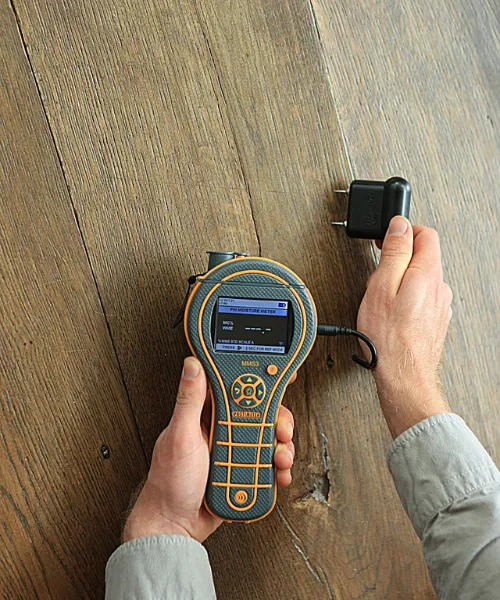
When You Should Book a Moisture Inspection
A professional moisture inspection is recommended when:
You suspect a leak but cannot locate the source
Water damage has occurred
Mould is visible or suspected
Musty odours are present
You are purchasing or managing a property
Repairs or restoration works need verification
Early detection allows for faster, more cost-effective solutions.
Tools & Technology We Use
At Ever Ready Solutions, accuracy comes from using the right tools and knowing how to interpret the results.
Our certified technicians use industry-leading, non-destructive diagnostic equipment to detect moisture at every level:
Thermal Imaging Cameras – Identify temperature variations that reveal hidden leaks or wet materials.
Pin & Pinless Moisture Meters – Measure moisture content in walls, ceilings, floors, and structural timber.
Hygrometers & Thermo-Hygrometers – Record temperature, humidity, dew point, and vapour pressure for environmental data.
Infrared Mapping – Trace moisture migration patterns through materials.
Laser Thermometers & Surface Probes – Confirm temperature differentials that indicate condensation or vapour build-up.
Every reading is recorded with time, location, and photo evidence, ensuring your report meets insurance and compliance standards.
Interested to know more? Here are some questions we hear every day.
Frequently Asked Questions
What is a moisture inspection?
A moisture inspection is a detailed assessment of your property to detect hidden water or dampness inside walls, ceilings, and floors.
Our certified technicians use advanced tools like thermal cameras and moisture meters to locate moisture that isn’t visible to the eye, helping prevent mould, rot, and long-term damage.
When should I book a moisture inspection?
You should schedule a moisture inspection if you notice musty odours, stains on ceilings or walls, paint bubbling, or unexplained humidity indoors.
It’s also recommended after leaks, storms, floods, or plumbing repairs to confirm that materials have fully dried.
Is the inspection destructive?
No — all testing is non-destructive.
We use infrared imaging and electronic sensors to measure moisture without cutting, drilling, or damaging surfaces.
If invasive testing is ever required, we’ll always get your approval first.
How long does a moisture inspection take?
Most residential inspections take between 1–2 hours, depending on the size and condition of the property.
Larger or commercial buildings may require additional time for full documentation and reporting.
Will I receive a report?
Yes. Every inspection includes a comprehensive digital report with photos, thermal images, moisture readings, and professional recommendations.
Our reports meet compliance standards for insurance, restoration, and property management use.
What happens if you find moisture?
If moisture is detected, your report will outline the likely source, severity, and recommended next steps.
This may include drying, repairs, or referral to a plumber or roofer.
We can also provide follow-up verification inspections to confirm that all areas are dry.
How much does a moisture inspection cost?
Pricing depends on the size of the property and the complexity of the inspection.
Most residential inspections range from $110 – $550, including a full report.
For commercial or multi-unit sites, we provide tailored quotes.