

Fire & Smoke Damage Restoration
Fast, professional restoration for fire damage, smoke contamination, soot residue, and affected properties across South East Queensland.
Rapid Response Times
5 Star Rated Service
Licensed, Qualified & Insured
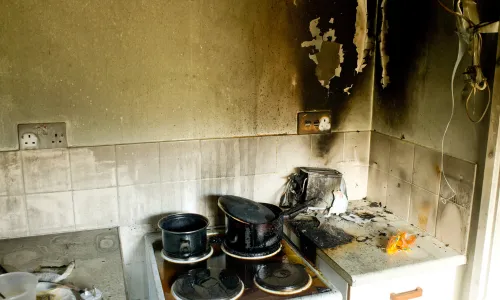
Fire events can cause extensive damage beyond what is immediately visible, leaving behind soot, smoke contamination, odours, and hazardous residues throughout the property.
Even small fires can result in widespread contamination, affecting walls, ceilings, contents, and air quality. Fast and controlled restoration is essential to prevent permanent staining, corrosion, odour embedding, and long-term damage to building materials.
Ever Ready Solutions provides professional fire and smoke damage restoration across Brisbane, Logan, Ipswich, Redland Bay, Moreton Bay, and the Gold Coast. We respond quickly, assess the extent of the damage, and carry out structured cleaning and restoration to return the property to a safe and stable condition.
What Fire & Smoke Damage Restoration Involves
Fire and smoke damage often extends far beyond the immediate burn area. Smoke can travel through the property, settling on surfaces and penetrating porous materials such as plasterboard, insulation, timber, and fabrics.
Soot residue can be highly acidic and, if not treated correctly, may cause permanent staining, corrosion of surfaces, and ongoing odour issues. In many cases, properties also experience water damage from firefighting efforts, introducing additional moisture and potential mould risks.
Professional restoration involves identifying affected areas, safely removing contamination, cleaning and restoring surfaces, and addressing odours to prevent long-term damage.
When This Service Is Needed
This service is required after any fire event, including kitchen fires, electrical fires, appliance failures, garage fires, or external fires that have impacted the property.
Even if visible damage appears minor, smoke contamination can spread throughout the building, affecting air quality and leaving behind fine soot particles that require specialised cleaning.
Delaying restoration can allow soot and smoke residues to bond to surfaces, making them harder to remove and increasing the risk of permanent damage and persistent odours.
Homeowners, property managers, insurers, and builders rely on professional restoration to properly assess contamination, clean affected areas, and return the property to a safe condition.
Our Fire & Smoke Damage Restoration Process
Assessment & Damage Evaluation
We begin with a detailed inspection of all affected areas to assess fire, smoke, and soot impact. This includes identifying both visible damage and hidden contamination within ceilings, walls, and cavities.
Soot & Residue Removal
Specialised cleaning methods are used to remove soot and residue from surfaces without spreading contamination. This may include HEPA vacuuming, dry cleaning techniques, and controlled surface cleaning.
Smoke Cleaning & Surface Restoration
All affected surfaces are carefully cleaned to remove smoke film and contamination. Different materials require different approaches to ensure effective cleaning without causing further damage.
Odour Treatment
Smoke odours can penetrate deeply into materials and linger if not properly treated. Targeted odour control methods are applied to neutralise and remove embedded smoke smells.
Water Damage & Drying (If Applicable)
If water has been used during firefighting, affected areas are assessed and dried using professional drying equipment to prevent further damage and mould growth.
Final Review & Reporting
Once cleaning and restoration are complete, a final review is carried out to ensure all affected areas have been properly addressed. Documentation can be provided for insurers or property managers if required.
Why Choose Ever Ready Solutions
Fire and smoke damage restoration requires precision, experience, and the correct cleaning methods to avoid spreading contamination or causing further damage.
Ever Ready Solutions provides fast response times and experienced technicians trained in fire and smoke restoration, contamination control, and structural cleaning.
We use professional equipment, controlled cleaning methods, and clear procedures to restore affected properties efficiently and safely.
Property managers, homeowners, insurers, and builders trust us for reliable service, clear communication, and high-quality restoration outcomes. We work respectfully and carefully to restore both the property and its environment.
Service Areas
We provide fire and smoke damage restoration services throughout Brisbane, Logan, Ipswich, Moreton Bay, Redland Bay, the Gold Coast, and surrounding South East Queensland areas.
Need Fire & Smoke Damage Restoration Services?
If your property has been affected by fire, smoke, or soot contamination, prompt action is essential. Our team can assess the damage, carry out professional cleaning, and restore the property safely and effectively.
FAQ – Fire & Smoke Damage Restoration
How quickly should fire or smoke damage be addressed?
As soon as possible. Soot and smoke residues can bond to surfaces quickly, leading to permanent staining, corrosion, and persistent odours if not treated early.
Can smoke damage spread through the whole property?
Yes. Smoke can travel through air pathways, affecting rooms far from the fire source and settling on walls, ceilings, and contents throughout the property.
Is soot dangerous?
Soot can contain harmful particles and residues that may affect air quality and health. Proper cleaning and handling are important to safely remove contamination.
Can fire-damaged materials be restored?
Some materials can be cleaned and restored depending on the level of damage. Heavily affected or structurally compromised materials may need to be removed.
Do you handle odour removal?
Yes. We apply targeted odour treatment methods to neutralise and remove smoke odours from affected areas and materials.
Do you assist with insurance claims?
Yes. We can provide supporting documentation, reports, and details of the restoration process to assist with insurance claims where required.