











Mould Removal & Remediation Services – South East Queensland
Specialist mould remediation, moisture control, and contamination management across Brisbane, Logan, Gold Coast, Ipswich, Moreton Bay and surrounding South East Queensland regions.

Rapid Response Times
5 Star Rated Service
Licensed, Qualified & Insured
What Professional Mould Remediation Involves
Mould growth is a sign of an underlying moisture problem — and if not properly addressed, it will continue to spread, damage materials, and impact indoor air quality.
At Ever Ready Solutions, we don’t just clean visible mould. We follow a structured remediation process to control contamination, remove mould safely, and identify the source to help prevent it from returning.
Without proper containment and moisture control, mould will often return — even after it appears to be cleaned.
Why You Should Act Fast When You See Mould
Mould can begin developing within 24–48 hours in the right conditions. As it spreads, it releases microscopic spores into the air, contaminating surrounding surfaces and reducing indoor air quality.
Left untreated, it can cause:
Damage to plasterboard, timber, paint, and insulation
Persistent odours and poor indoor air quality
Increased risk of respiratory irritation and health issues
Ongoing moisture-related structural deterioration
Higher repair costs if the issue escalates
Early intervention allows the problem to be controlled before it spreads further into the structure.
Our Proven Process Eliminates Mould at the Source — Not Just the Surface
We use a professional, multi-step mould removal system designed to eliminate visible mould, reduce airborne spores, and stop regrowth — fast.
Step 1: Assessment & Containment Setup
We begin by assessing all affected areas and determining the level of contamination.
Where required, containment is installed using plastic sheeting and sealed barriers to isolate affected zones. This prevents cross-contamination and protects unaffected areas of the property during remediation.
In higher-risk situations, controlled airflow systems may be used to maintain directional airflow and reduce the spread of airborne spores.
Step 2: HEPA Filtration & Airborne Spore Control
Before disturbing contaminated surfaces, professional air filtration systems are installed.
HEPA air scrubbers operate continuously to capture airborne mould spores, dust, and contaminants. This helps stabilise the environment and reduces the risk of spores spreading during the cleaning process.
Step 3: HEPA Vacuuming & Pre-Clean
All affected surfaces are HEPA vacuumed prior to wet cleaning.
This step removes loose spores and particulate contamination from surfaces, reducing the amount of material spread during remediation and improving the effectiveness of subsequent cleaning steps.
Step 4: Controlled Mould Removal & Surface Cleaning
Mould is removed using professional cleaning methods and mould-specific solutions.
We treat all affected surfaces including ceilings, walls, cornices, windows, and structural elements. Cleaning is carried out in a controlled manner to prevent unnecessary disturbance and spread.
Where materials are heavily affected or porous (such as plasterboard, insulation, or MDF), removal may be recommended to ensure the contamination is properly addressed.
Step 5: Antimicrobial Treatment & Residual Control
After cleaning, antimicrobial treatments are applied to affected areas.
This helps reduce remaining contamination and provides a level of residual protection, supporting long-term control when combined with proper moisture management.
Step 6: Moisture Detection & Source Identification
Mould growth is always linked to moisture.
We use moisture meters and thermal imaging to identify hidden moisture within walls, ceilings, and flooring systems. This allows us to determine whether the issue is caused by leaks, condensation, ventilation issues, or environmental factors.
Step 7: Drying & Environmental Stabilisation (If Required)
If elevated moisture levels are present, drying equipment such as air movers and dehumidifiers may be installed.
This helps bring materials back to an appropriate dry standard and prevents ongoing mould growth.
Step 8: Reporting & Prevention Guidance
Following completion, we provide clear recommendations to help prevent mould from returning.
This may include:
Improving ventilation
Managing humidity levels
Addressing leaks or building defects
Ongoing monitoring recommendations
Inspection summaries or insurance-style reports can be provided if required.
Looking for Reliable Mould Removal Services?
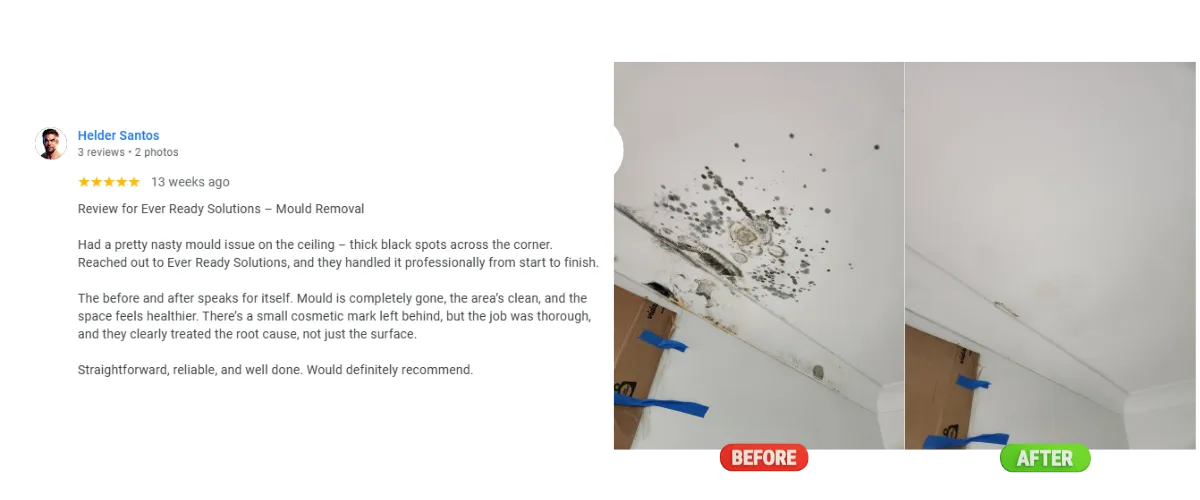
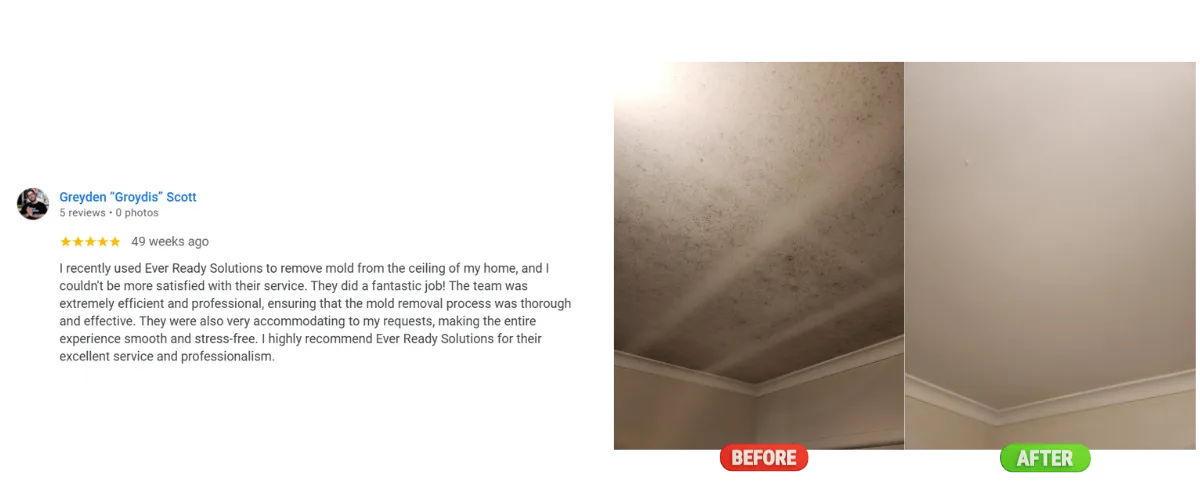
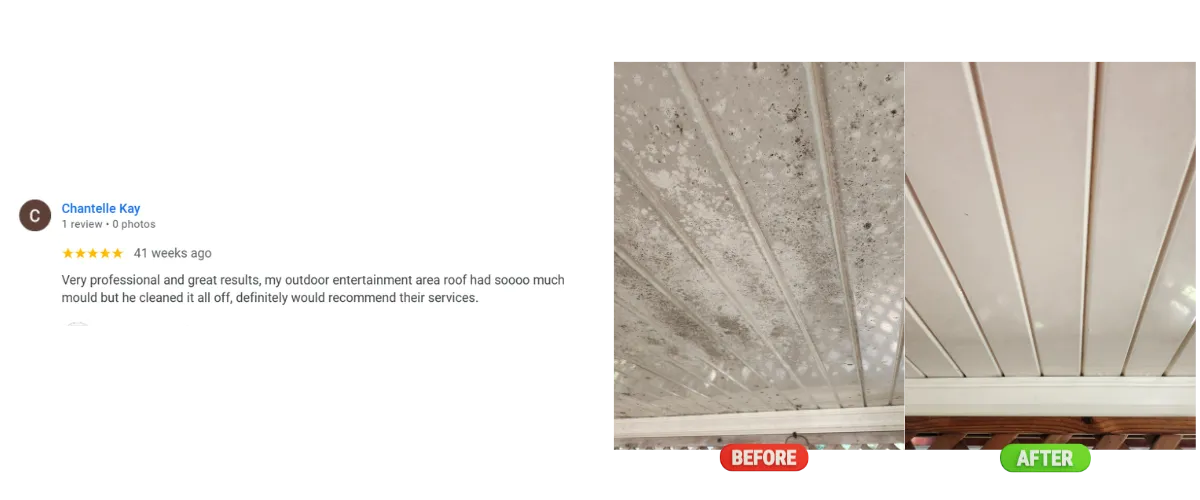
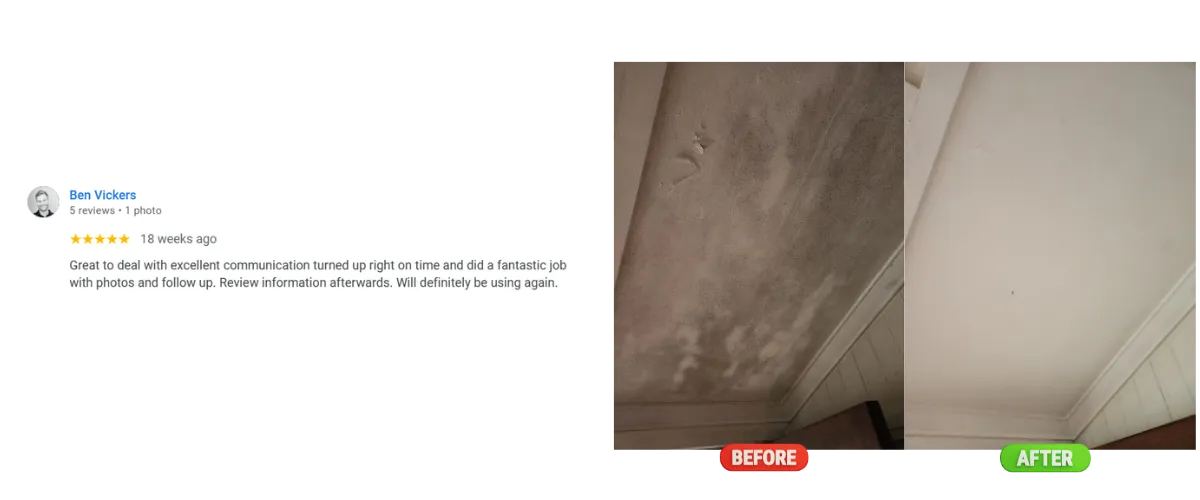
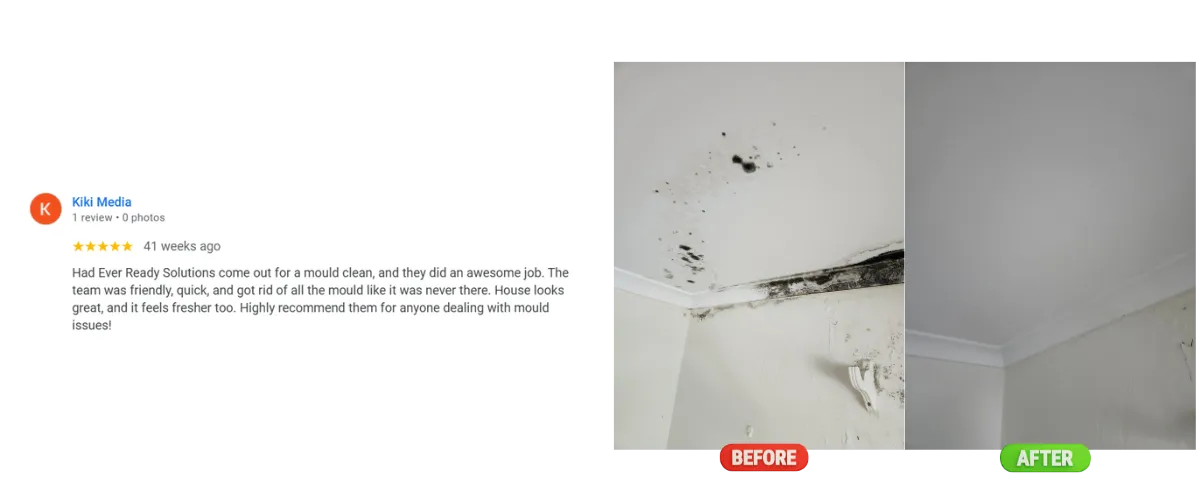
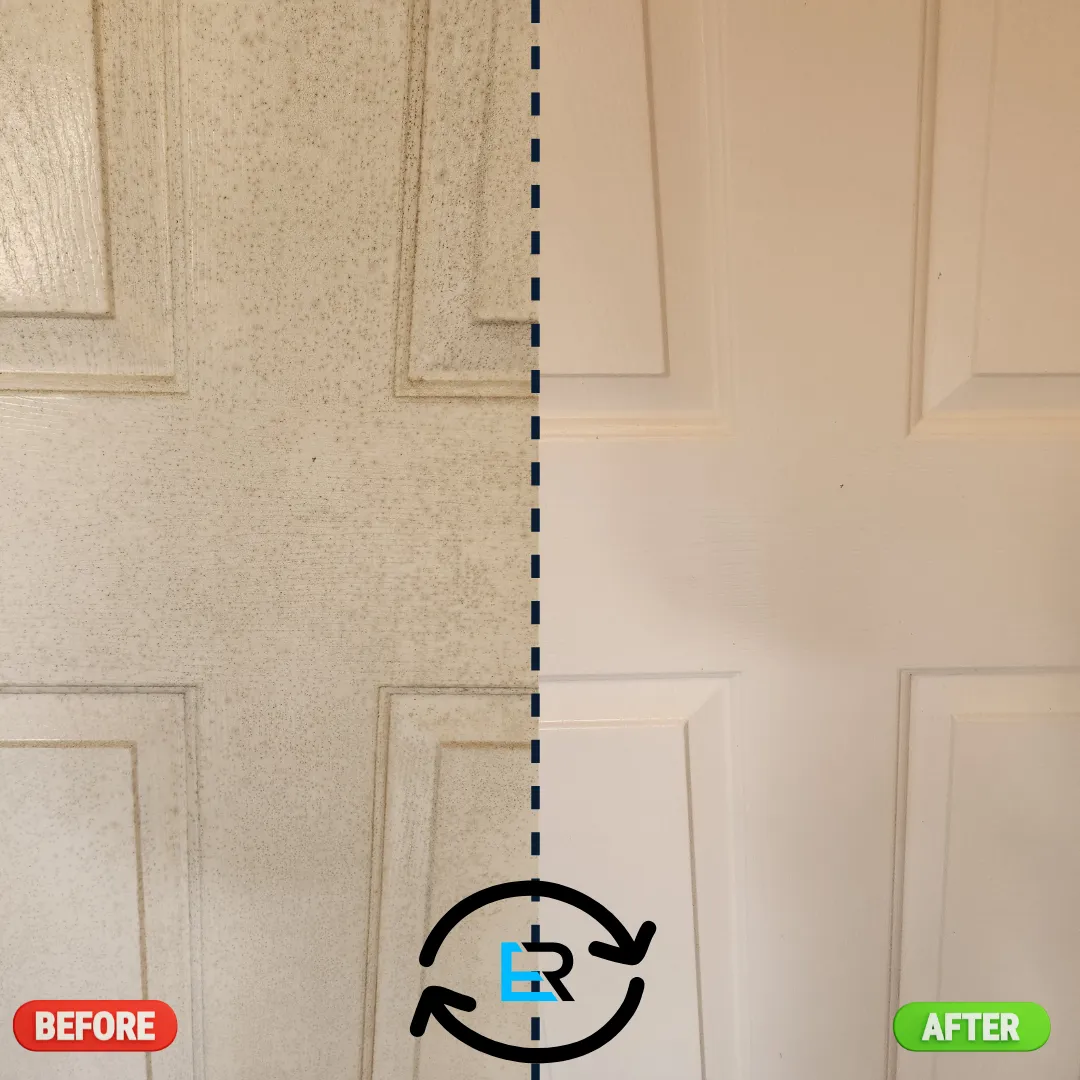
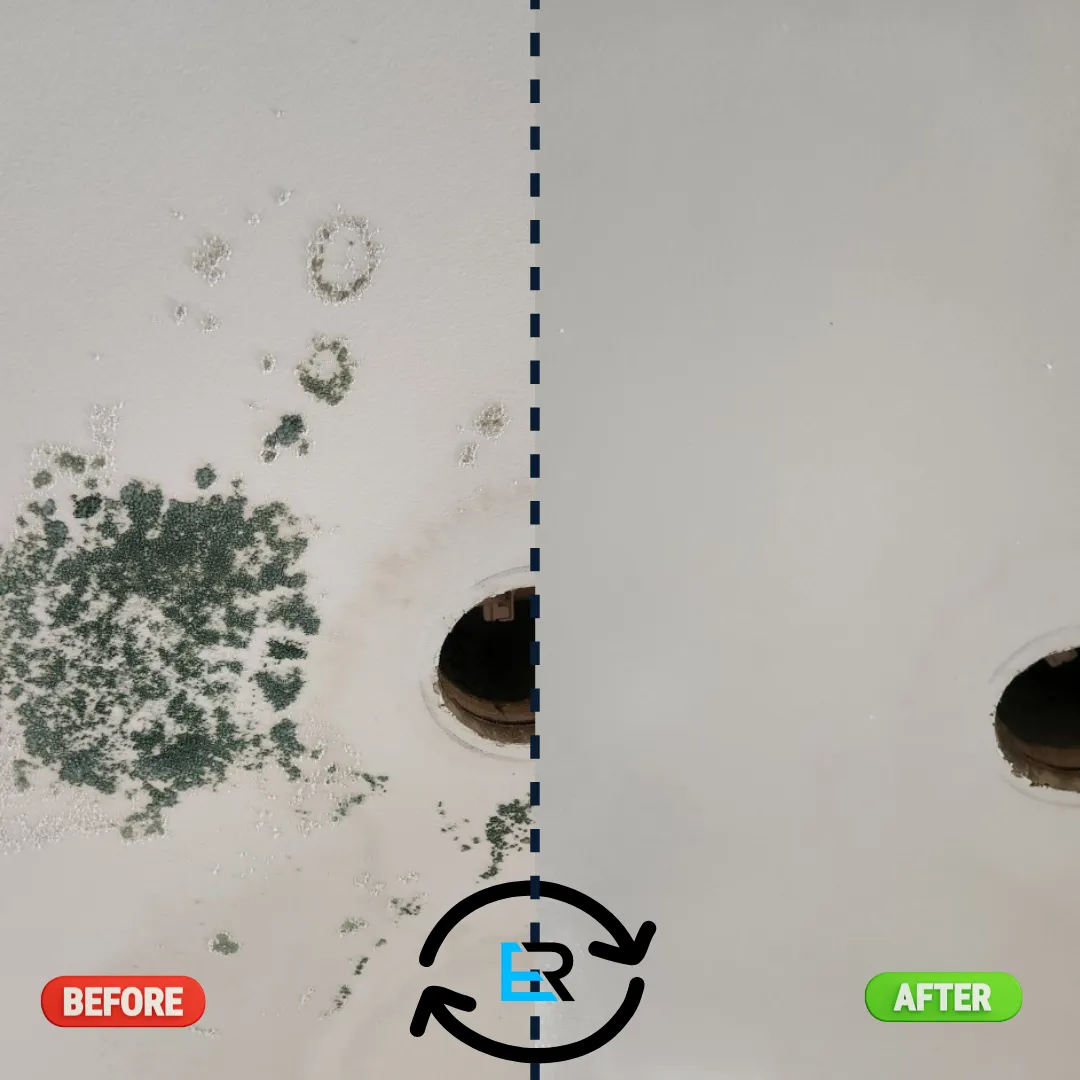
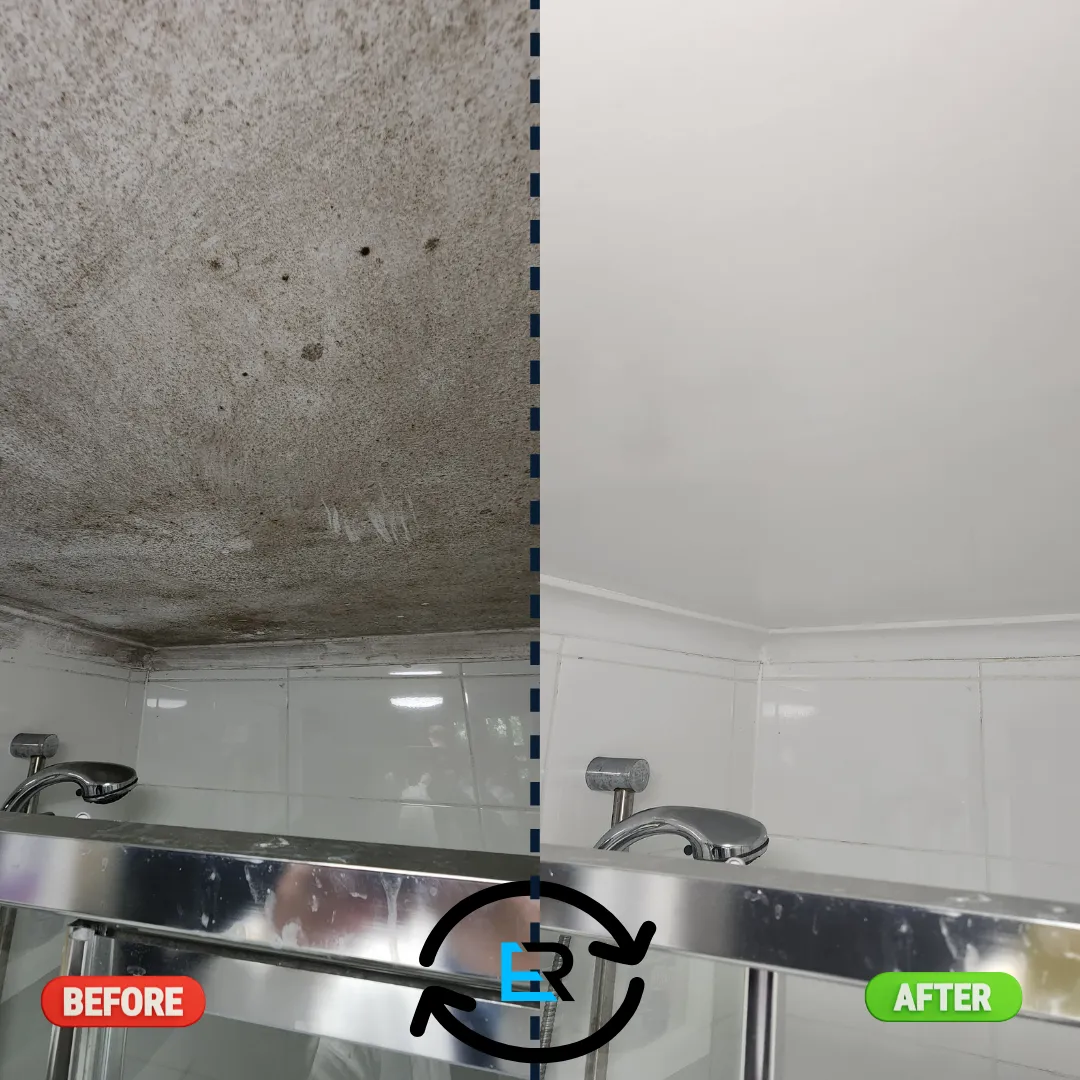
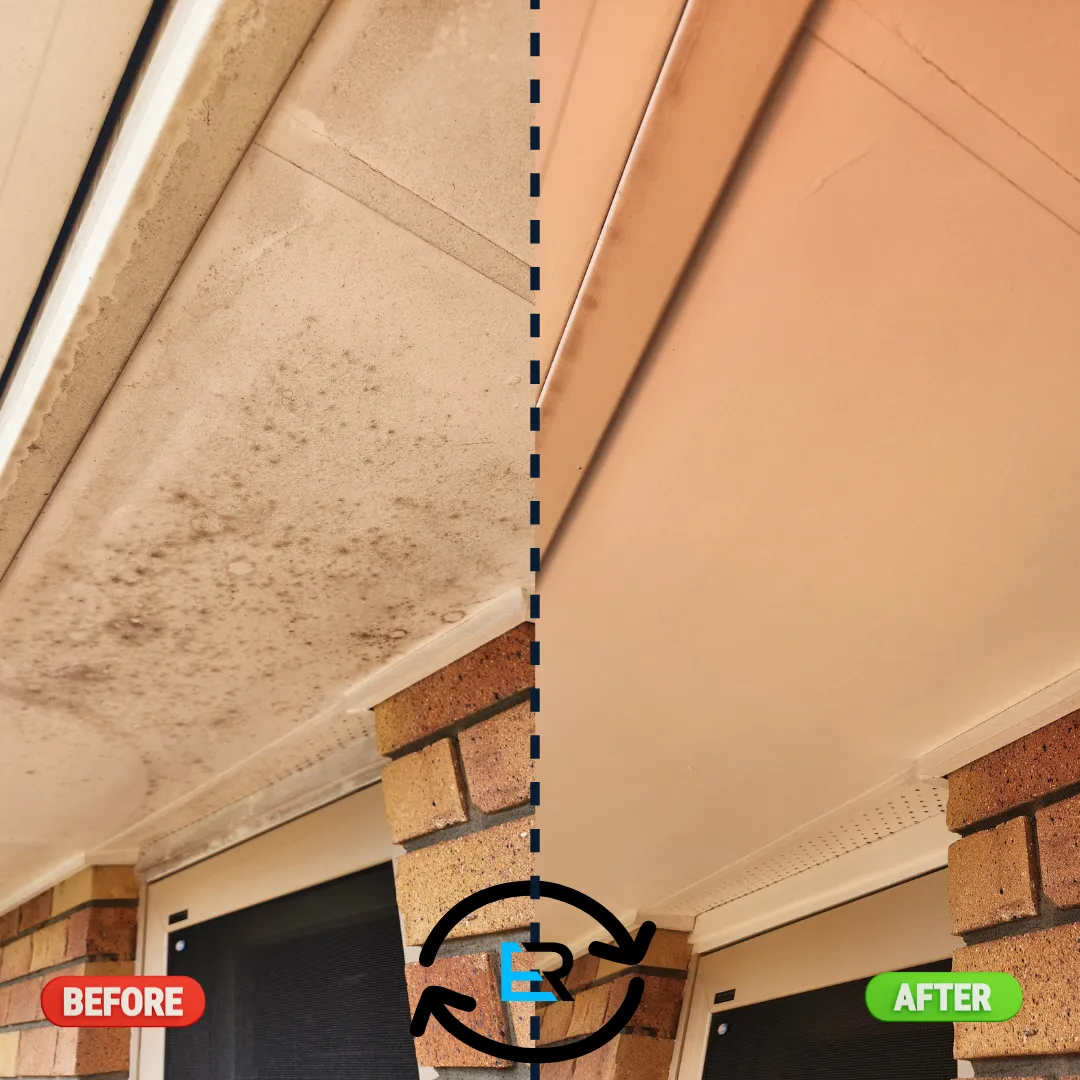
Before and after
We Remove the Mould Others Can’t
Our results speak louder than words. Take a look at some of our real-world transformations — from badly stained ceilings to spotless, safe, and fresh surfaces. This is the power of professional mould removal done right.
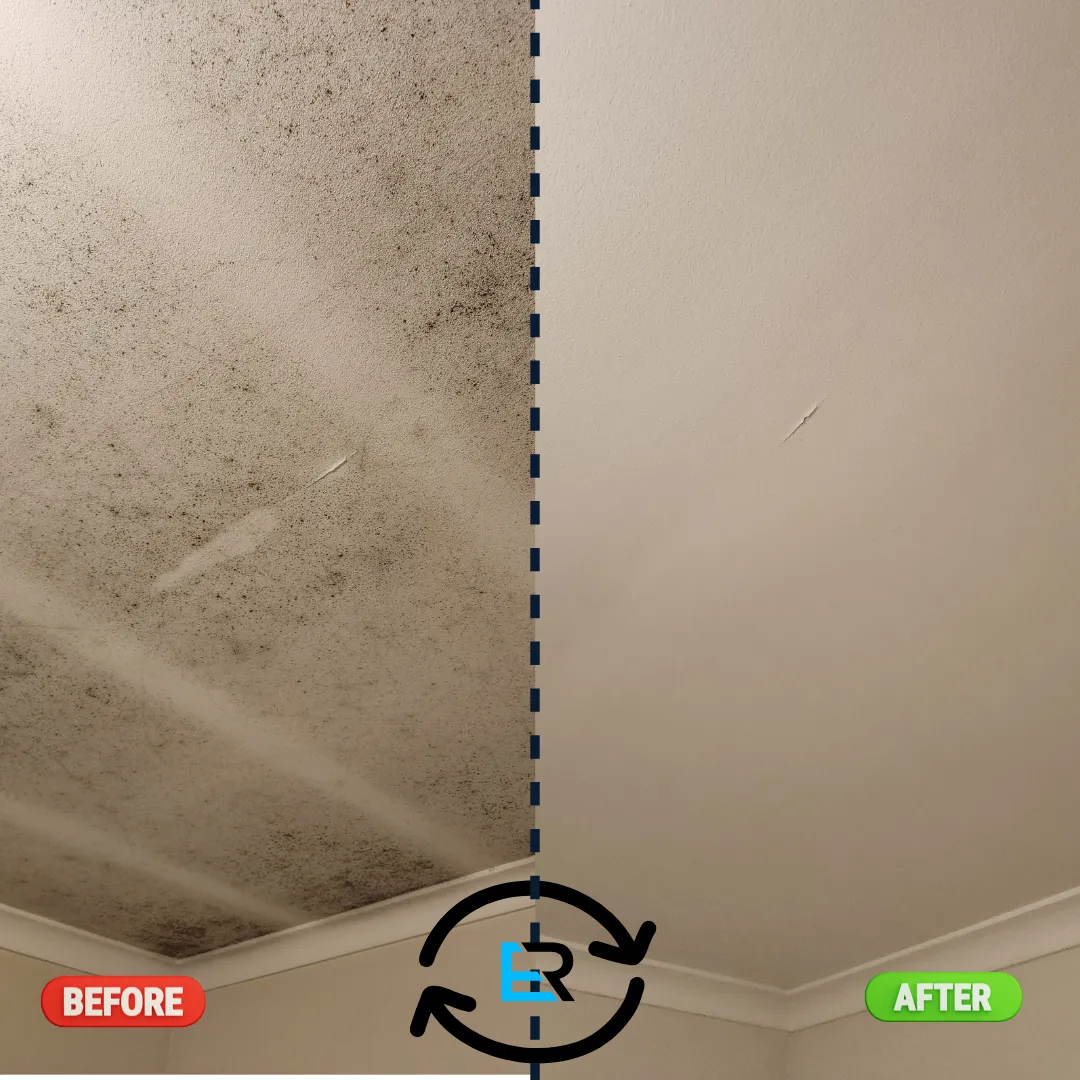
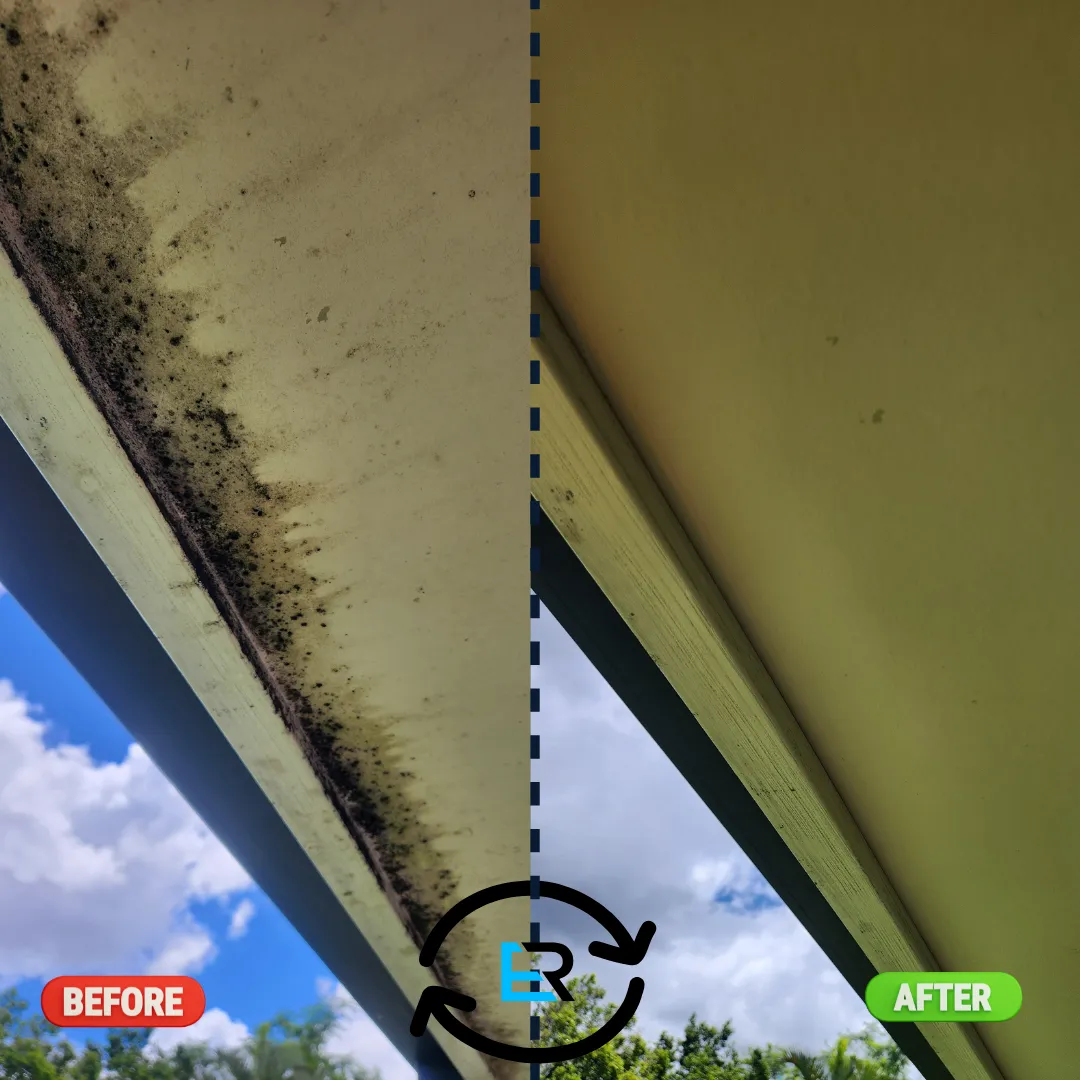
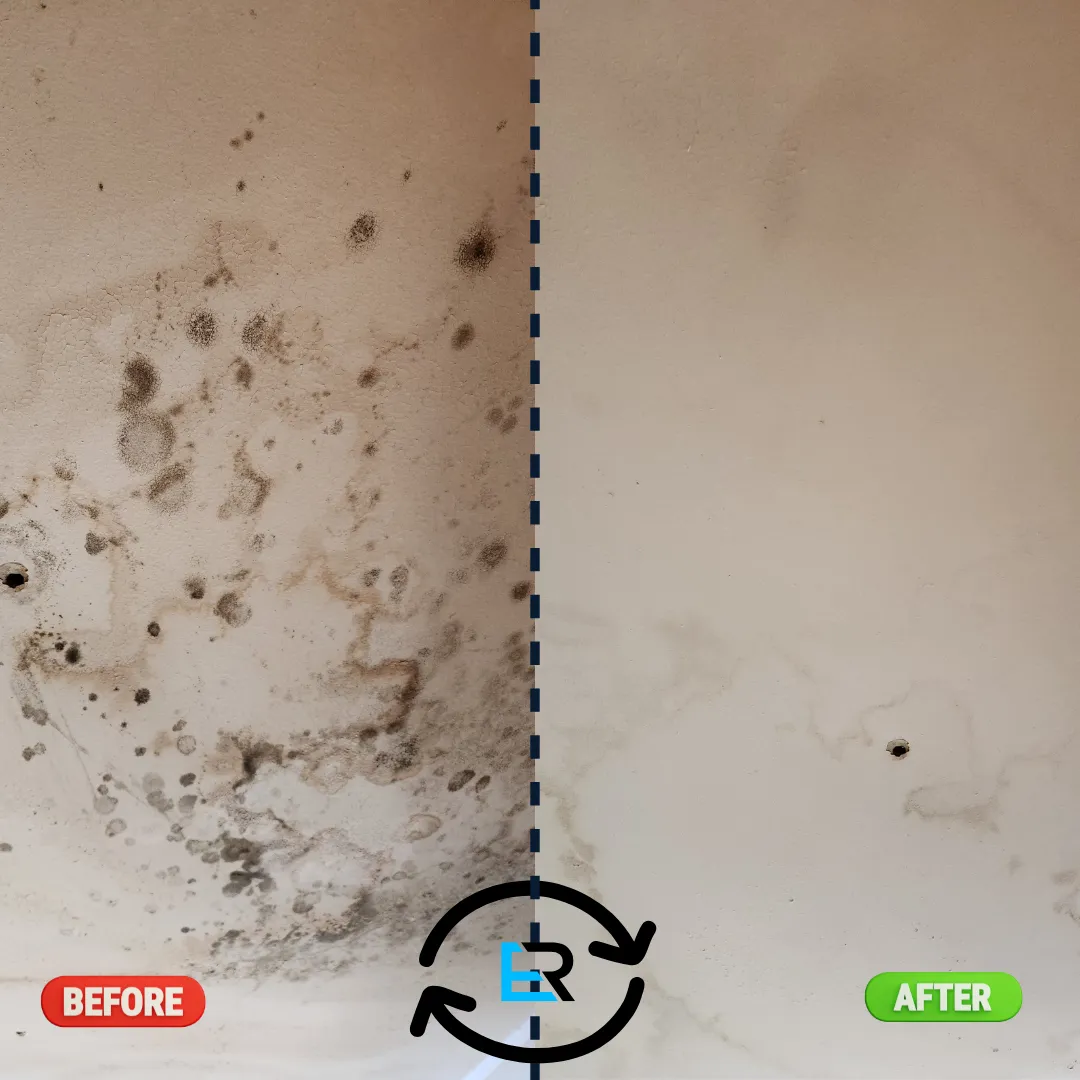
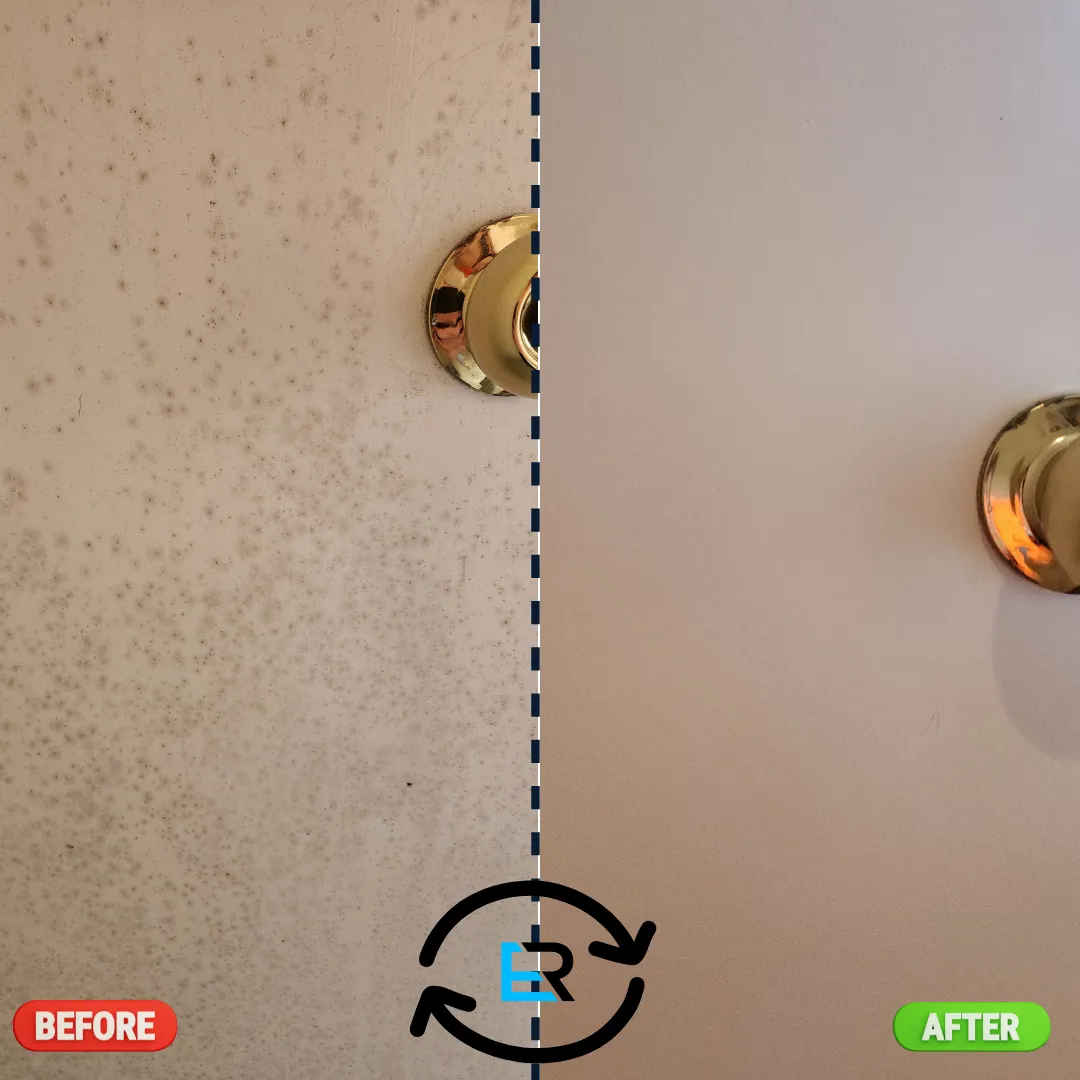
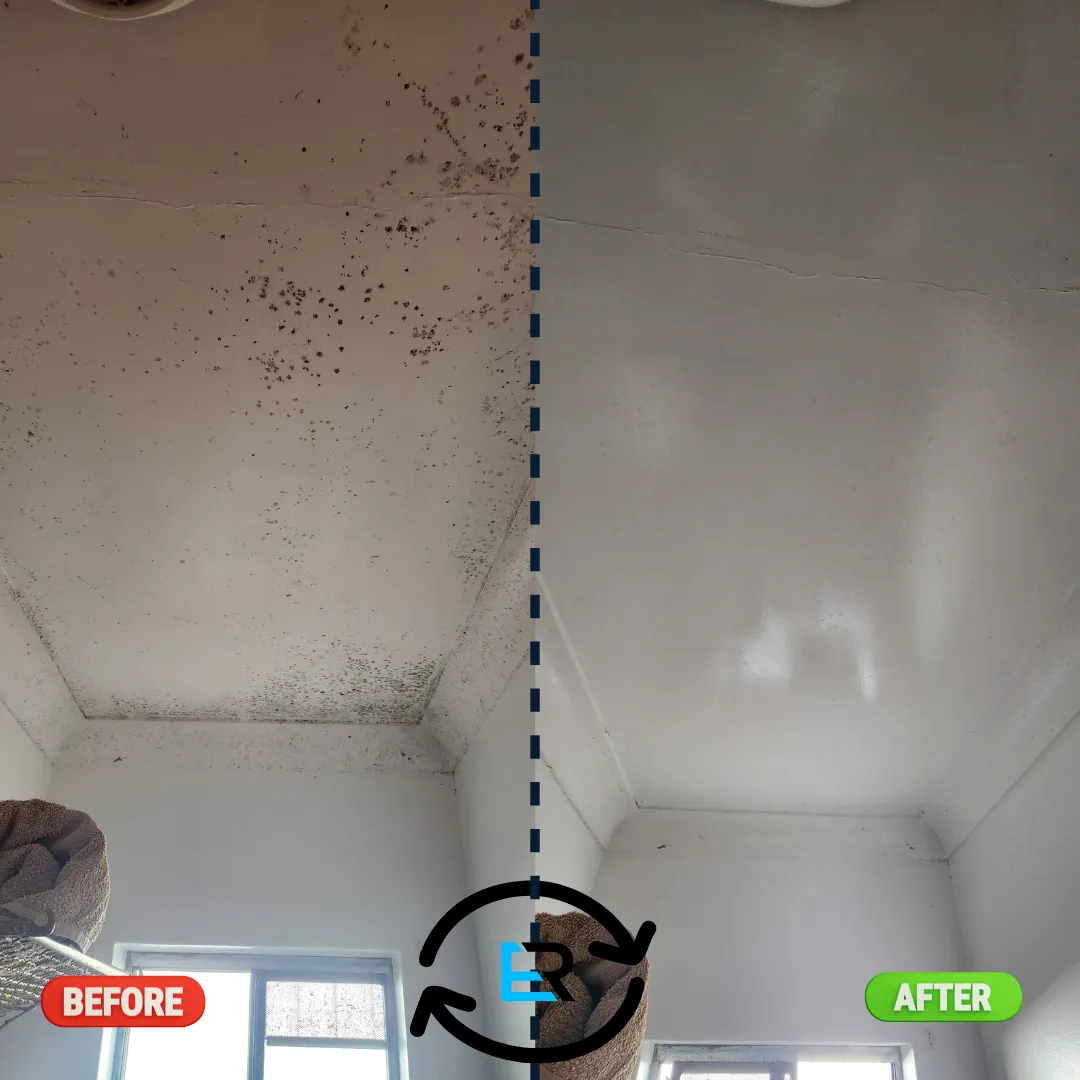
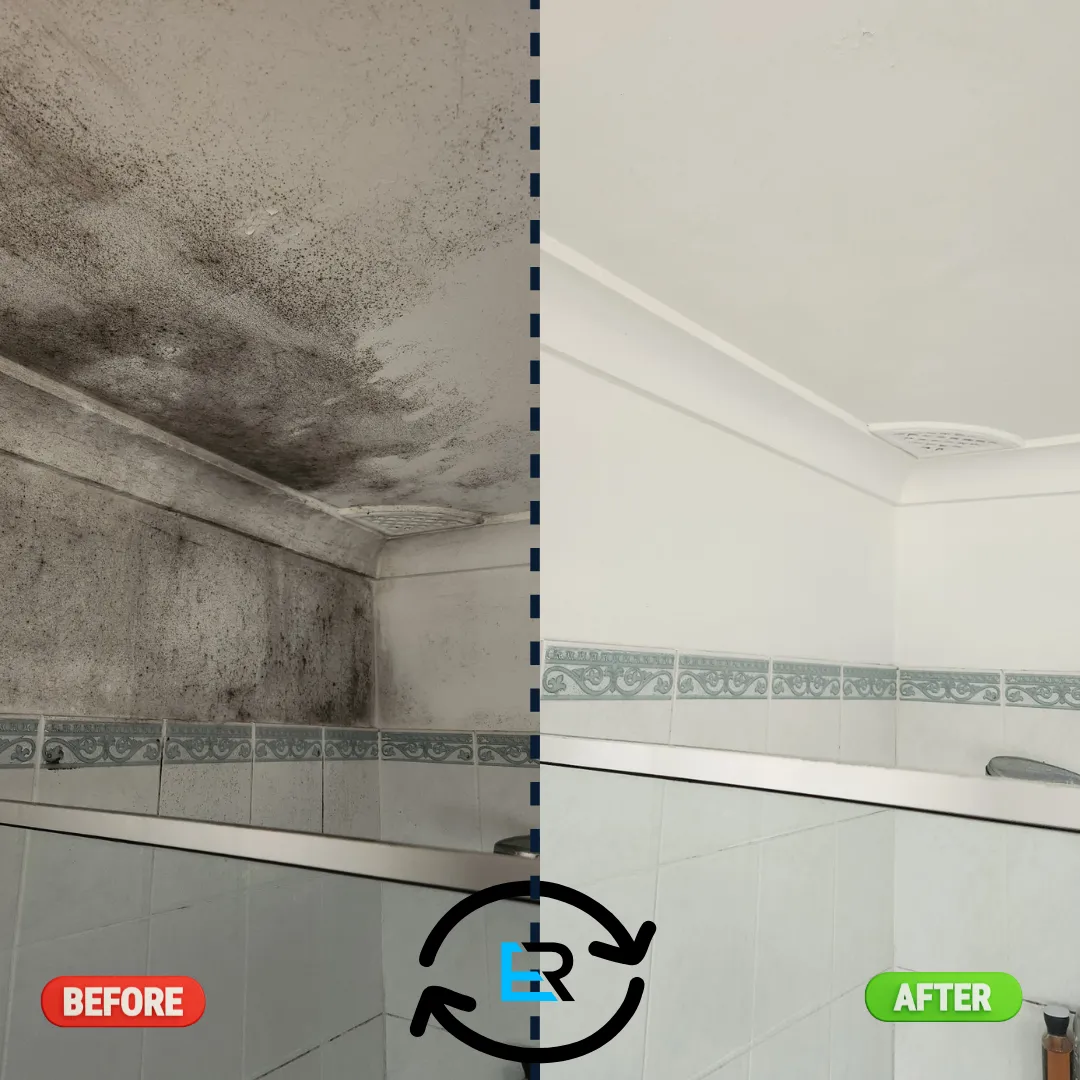
Why Mould Keeps Coming Back After Cleaning
Many mould problems return because the underlying cause is not addressed.
Common reasons include:
Moisture source not identified or repaired
No containment during cleaning, allowing spores to spread
Airborne spores not removed from the environment
Surface cleaning without addressing deeper contamination
High humidity or poor ventilation conditions
Proper remediation focuses on both contamination removal and moisture control to achieve long-term results.
What Causes Mould?
Mould thrives in damp, humid, and poorly ventilated environments.
Common causes include:
Roof leaks or storm damage
Plumbing leaks inside walls or ceilings
Condensation due to temperature differences
High indoor humidity levels
Poor ventilation in bathrooms and kitchens
Air conditioning or airflow issues
Previous water damage
Without addressing these factors, mould will continue to return.
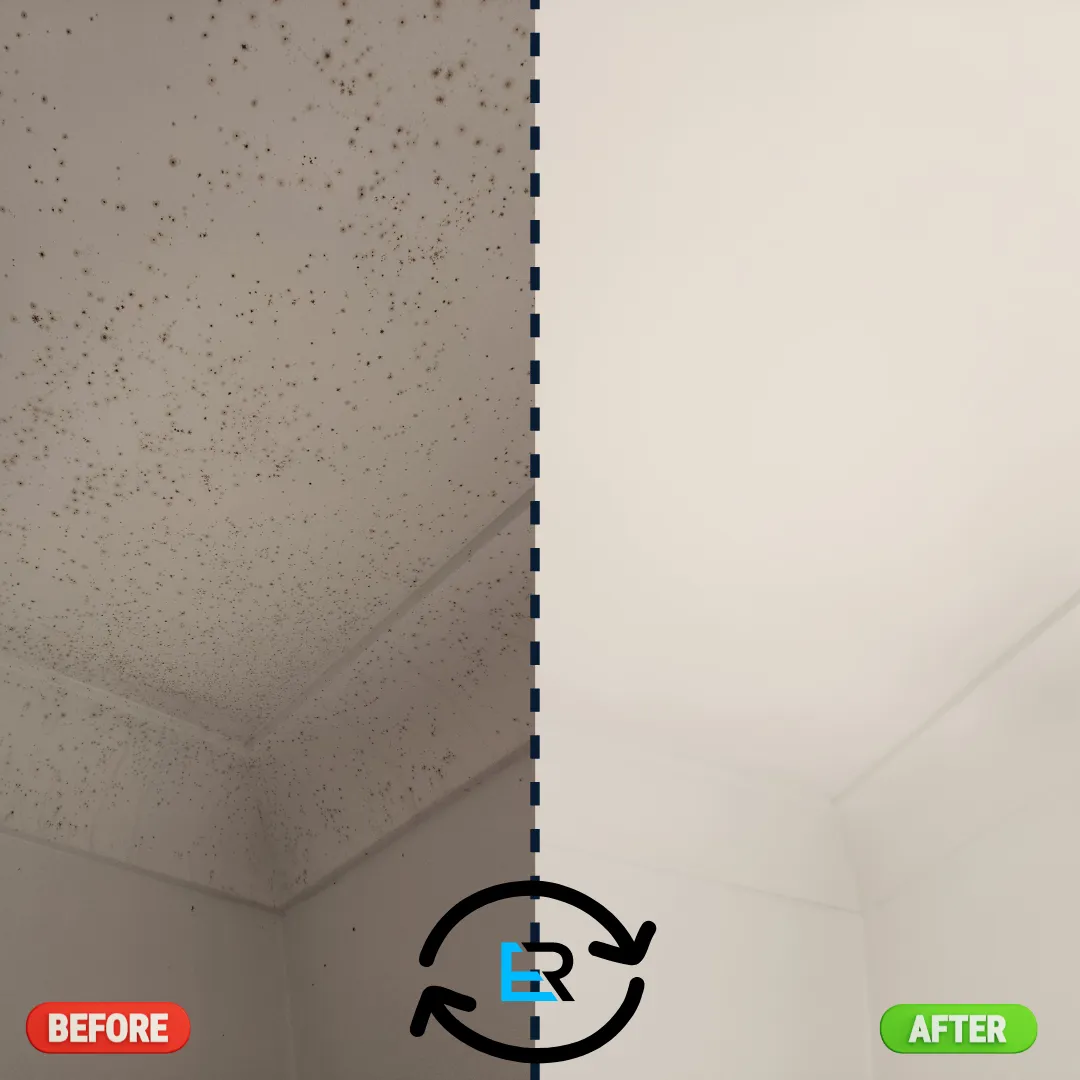
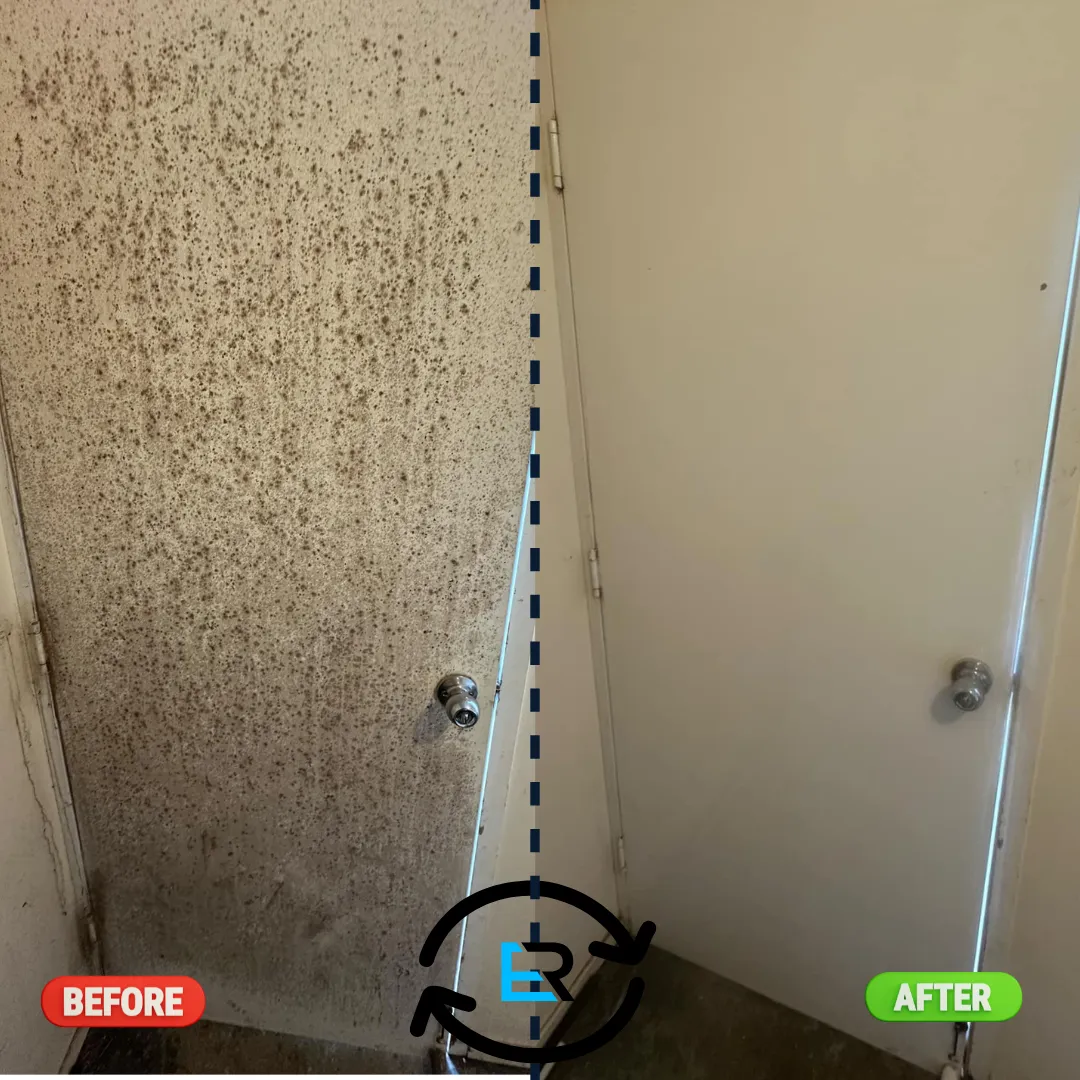
Materials: What Can Be Cleaned vs Removed
Not all materials can be restored once mould has affected them.
Typically Cleanable:
Painted surfaces
Non-porous materials (glass, tiles, metal)
Some timber surfaces (depending on severity)
May Require Removal:
Plasterboard (if deeply contaminated)
Insulation
MDF or particleboard
Severely affected porous materials
Correct decision-making is critical to ensuring the problem is fully resolved.
Why DIY Mould Cleaning Often Fails
DIY mould removal methods typically only address the surface.
Scrubbing or spraying without containment can:
Spread spores into the air
Push contamination deeper into materials
Leave moisture issues unresolved
Professional remediation focuses on controlled removal, air quality management, and addressing the root cause.
Health Effects of Mould Exposure
Exposure to mould can affect indoor air quality and may cause:
Respiratory irritation or asthma flare-ups
Persistent coughing or sinus issues
Skin irritation
Headaches or fatigue
Increased risk for vulnerable individuals
Maintaining a clean and controlled indoor environment is essential for occupant health.
Interested to know more? Here are some questions we hear every day.
Frequently Asked Questions
What causes mould to grow in my home?
Mould thrives in damp, poorly ventilated spaces. Common causes include roof or gutter leaks, bathroom humidity, poor airflow, rising damp, or water damage from storms and flooding.
Is mould dangerous to my health?
Yes — especially black mould. Prolonged exposure to mould spores can trigger allergies, respiratory issues, skin irritation, and worsen asthma symptoms, particularly in children, the elderly, or those with weakened immune systems.
Can I clean mould myself with vinegar or bleach?
Household products may remove surface stains, but they don’t kill the mould spores underneath or stop it from coming back. Professional remediation ensures the mould is eliminated at the source — safely and properly.
How much does mould removal cost?
Costs vary based on the severity and size of the affected area. Small jobs may cost a few hundred dollars, while larger remediation projects may exceed $1,000.
Do I need to leave the house during treatment?
For most treatments, we ask you to vacate the property during the clean and for 2–3 hours after to allow proper ventilation. We’ll let you know exactly what to expect during your free quote.
How long does a typical mould removal job take?
Most standard mould removal jobs are completed in just a few hours. Larger or multi-room treatments may take longer. We’ll give you a clear timeframe during your inspection.
What type of mould do you remove?
We remove all common household mould types including black mould (Stachybotrys), white mould, green mould, and surface or hidden mould in walls, ceilings, bathrooms, and air conditioning systems.