










Structural Drying & Dehumidification Services – South East Queensland
Professional structural drying, dehumidification, and moisture control services across Brisbane, Logan, Gold Coast, Ipswich, Moreton Bay, and South East Queensland.
Rapid Response Times
5 Star Rated Service
Licensed, Qualified & Insured
Water damage doesn’t stop once visible water is removed. Moisture can remain trapped within walls, ceilings, flooring, and structural materials — leading to mould growth, material deterioration, and long-term damage if not properly dried.
At Ever Ready Solutions, we provide controlled structural drying and dehumidification services to remove hidden moisture, stabilise building materials, and restore properties to safe conditions.
Why Structural Drying Is Critical After Water Damage
After a leak, flood, or water event, moisture spreads rapidly through building materials.
Even if surfaces appear dry, internal moisture can remain and continue to cause damage.
Without proper drying, this can lead to:
- Mould growth within 24–48 hours
- Swelling and deterioration of building materials
- Warping of timber and flooring systems
- Persistent damp odours
- Long-term structural damage
Professional drying ensures moisture is removed correctly — not just from the surface, but from within the structure.
What Structural Drying & Dehumidification Involves
Structural drying is a controlled process that uses airflow, dehumidification, and monitoring to remove moisture from materials and the surrounding environment.
This includes:
- Air movement to accelerate evaporation
- Dehumidification to remove moisture from the air
- Moisture monitoring to track drying progress
- Targeted drying of walls, ceilings, and flooring systems
The goal is to return materials to an appropriate dry standard while preventing secondary damage.
Why Proper Drying Matters
Allowing materials to “air dry” naturally is not effective.
Without controlled drying:
- Moisture remains trapped inside materials
- Mould growth can occur
- Structural damage may continue
- Drying times increase significantly
Professional structural drying ensures moisture is removed safely and efficiently.
Our Structural Drying Process
Step 1: Assessment & Moisture Mapping
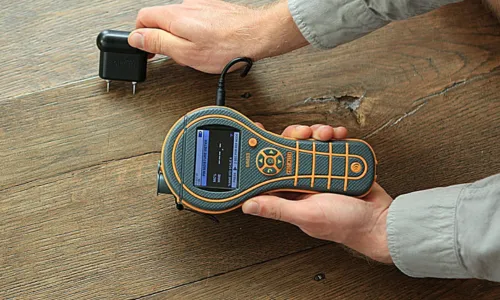
We begin with a detailed inspection to identify affected areas and determine the extent of moisture penetration.
Using moisture meters and thermal imaging, we:
- Locate hidden moisture within walls and floors
- Map affected zones
- Establish baseline dry readings from unaffected areas
Step 2: Drying Plan & Equipment Setup
Based on findings, we develop a tailored drying plan.
Air movers and dehumidifiers are strategically placed to:
- Maximise airflow across wet surfaces
- Promote evaporation
- Control humidity within the environment
Equipment selection and placement are critical to effective drying.
Step 3: Airflow & Dehumidification Control
Air movers create consistent airflow across wet materials, increasing evaporation.
Dehumidifiers remove moisture from the air, preventing reabsorption into materials.
This controlled environment allows for efficient drying of structural elements including:
- Plasterboard
- Timber framing
- Flooring systems
- Subfloors and cavities
Step 4: Monitoring & Moisture Tracking
Drying is continuously monitored using moisture readings and environmental data.
We track:
- Moisture content in materials
- Temperature and humidity levels
- Drying progress over time
Adjustments are made as required to ensure optimal drying performance.
Step 5: Removal of Unsalvageable Materials (If Required)
In some cases, materials may be too saturated or damaged to be restored.
We assess and advise on removal where necessary, including:
- Severely affected plasterboard
- Insulation
- Flooring materials
This allows proper drying of the structure and prevents hidden damage.
Step 6: Final Dry Verification
Once drying is complete, final readings are taken to confirm materials have returned to an acceptable dry condition.
This step ensures:
- Moisture has been effectively removed
- Risk of mould growth is reduced
- The structure is stabilised
Step 7: Reporting & Documentation
We provide clear documentation including:
- Moisture readings
- Drying progress
- Equipment used
- Final verification results
Reports can be provided for insurance, property managers, or builders.
When You Need Structural Drying Services
Structural drying is required after:
- Water leaks or burst pipes
- Storm or flood damage
- Sewage or contaminated water events
- Firefighting water usage
- Mould remediation where moisture is present
Early intervention significantly reduces damage and restoration costs.
How Structural Drying Prevents Mould
Mould requires moisture to grow.
By removing moisture quickly and effectively, structural drying:
- Prevents mould development
- Improves indoor air quality
- Protects building materials
- Reduces long-term repair costs
Why Choose Ever Ready Solutions
Structural drying is not just about placing equipment — it requires an understanding of how moisture behaves within building materials and how to remove it efficiently without causing further damage.
At Ever Ready Solutions, we specialise in water damage restoration, moisture control, and mould remediation, allowing us to approach structural drying with a complete understanding of the building environment.
Our process focuses on accurate moisture detection, strategic equipment placement, and ongoing monitoring to ensure materials are returned to a safe and stable condition.
We work with homeowners, property managers, insurers, and builders to deliver reliable results, clear communication, and professional service from start to finish.
Service Areas
We provide structural drying and dehumidification services across Brisbane, Logan, Ipswich, Moreton Bay, Redland Bay, and the Gold Coast, including all surrounding South East Queensland regions. Our team responds quickly to both residential and commercial properties, ensuring fast deployment of drying equipment and efficient moisture control wherever it is required.
Need Structural Drying Services?
If your property has been affected by water damage, immediate drying is essential.
Our team can assess the damage, install professional drying equipment, and restore safe moisture levels.
FAQ – Structural Drying & Dehumidification
How long does structural drying take?
Drying time varies depending on the extent of damage, materials affected, and environmental conditions. Most projects range from several days to over a week.
Can I dry the property myself?
Standard fans are not sufficient. Professional drying requires controlled airflow, dehumidification, and monitoring. You also need to manage the humidity load that the air movers create without causing secondary damage.
Will this prevent mould growth?
Yes. Proper drying significantly reduces the risk of mould by removing the moisture required for growth.
Do I need structural drying if the area looks dry?
Yes. Even if surfaces appear dry, moisture can remain trapped within walls, ceilings, flooring, and structural materials. Without proper drying, this hidden moisture can lead to mould growth, material deterioration, and ongoing damage. Professional drying ensures moisture is removed from within the structure, not just the surface.
Do you provide reports for insurance?
Yes. Detailed drying reports and moisture readings can be provided.
How do you know when the property is fully dry?
We use moisture meters and environmental readings to track drying progress and compare results against unaffected areas to establish a dry standard. Drying is only considered complete when materials return to safe and stable moisture levels, reducing the risk of mould growth and long-term damage.