Why Wet Carpet Is a Bigger Problem Than You Think
Why Wet Carpet Is a Bigger Problem Than You Think
Wet carpet is one of the most underestimated forms of water damage. Many property owners assume that if a carpet dries on the surface, the problem is solved. In reality, wet carpet is often the starting point for long-term moisture issues, mould growth, persistent odours, and even structural damage.
Across Brisbane, Logan, and the Gold Coast, wet carpet is one of the most common causes of hidden mould and indoor air quality problems. Queensland’s warm temperatures and high humidity make carpet particularly vulnerable after leaks, storms, flooding, or plumbing failures.
Understanding why wet carpet is such a serious issue can help prevent small water incidents from turning into costly restoration projects.
How Carpet and Underlay Trap Moisture
Carpet is not a single layer. It is a system made up of carpet fibres, backing, underlay, and the subfloor beneath. When water enters this system, it does not remain on the surface.
Water moves downward rapidly, soaking into the underlay where it becomes trapped. Underlay is designed to be absorbent, which makes it extremely difficult to dry without specialised equipment. Even when the carpet feels dry underfoot, significant moisture can remain below the surface.
In Brisbane and Logan properties, this trapped moisture rarely dries naturally due to high ambient humidity. Instead, it creates an ideal environment for microbial growth.

Why Wet Carpet Leads to Mould Growth
Mould spores are present in all indoor environments. They only become a problem when moisture is introduced.
Wet carpet provides everything mould needs to grow:
constant moisture
organic material from dust and fibres
darkness beneath the carpet
warmth from indoor temperatures
Once moisture becomes trapped in the underlay or subfloor, mould can begin developing within 24 to 48 hours. This growth usually starts underneath the carpet, completely hidden from view.
By the time mould becomes visible on skirting boards or walls, it has often been growing for days or weeks.
How Quickly Wet Carpet Becomes a Serious Issue
The timeline from wet carpet to mould growth is much shorter than most people expect.
First 12 to 24 hours
Water spreads throughout the carpet system. Humidity inside the room rises, and moisture begins wicking into nearby walls and skirting boards.
24 to 48 hours
Bacteria and mould spores activate inside the damp underlay. Early microbial growth begins, even though there may be no visible signs.
48 to 72 hours
Mould growth accelerates. Odours often develop, and moisture spreads into surrounding materials.
After 72 hours
Mould becomes established. Carpet and underlay may no longer be salvageable, and mould remediation is often required.
In South East Queensland, this process can occur even faster during warm or humid conditions.

Why Wet Carpet Often Smells Even After Drying
Persistent odours are one of the most common complaints following water damage.
These smells are caused by bacteria breaking down organic material within the carpet and underlay. As bacteria multiply, they release gases that produce musty, sour, or stale odours.
Surface cleaning and deodorising sprays do not remove the source of these smells. As long as moisture or bacterial contamination remains trapped beneath the carpet, odours will continue to return.
Health Risks Associated With Wet Carpet
Wet carpet does not only affect the building. It can also impact the health of occupants.
Common health concerns include:
respiratory irritation
asthma flare-ups
sinus congestion
headaches
fatigue
allergic reactions
worsening symptoms in children or elderly occupants
Mould spores and bacteria can become airborne and circulate throughout the property, reducing indoor air quality. This is particularly concerning in bedrooms, living areas, offices, childcare centres, and rental properties.
Why DIY Drying Is Rarely Effective
Many people attempt to dry wet carpet using fans, heaters, or open windows. While this may dry the surface fibres, it rarely removes moisture from the underlay or subfloor.
Common mistakes include:
drying only the visible carpet surface
leaving underlay saturated
blocking airflow with furniture
relying on air conditioning instead of dehumidification
assuming the carpet is dry because it feels dry
This false sense of dryness allows mould and bacteria to continue growing unseen.
How Moisture Spreads Beyond the Carpet
Wet carpet does not stay confined to one area. Moisture migrates outward and upward through capillary action.
This can lead to:
water damage to skirting boards
moisture entering wall cavities
mould growth behind plasterboard
damage to adjacent flooring
swelling of cabinetry
corrosion of metal fixings
electrical risks near floor level
What begins as a small wet patch can quickly affect an entire room or multiple areas of a property.
When Wet Carpet Can Be Salvaged
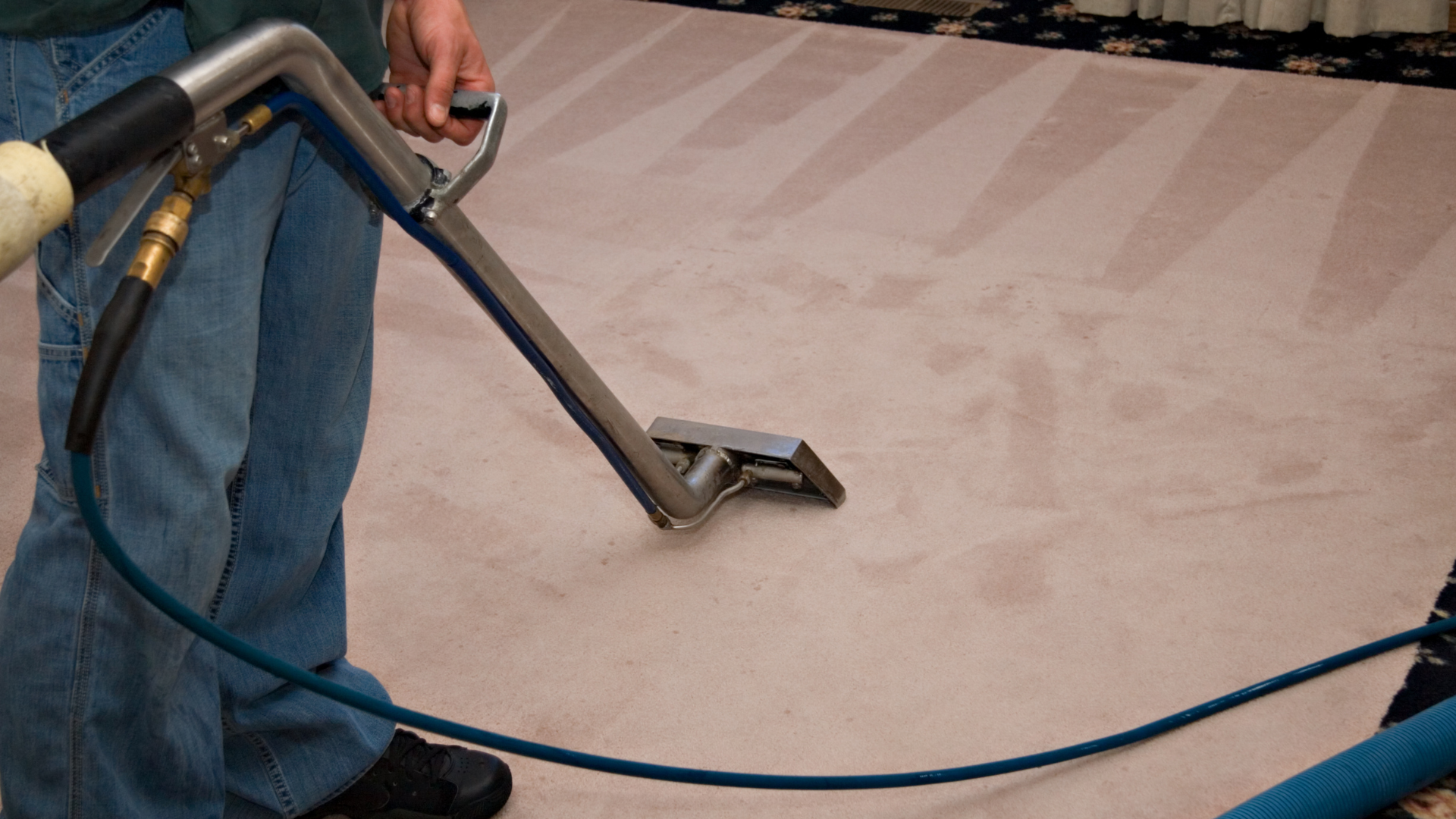
In some situations, carpet and underlay can be saved with prompt professional drying.
Carpet is more likely to be salvageable when:
the water source is clean
drying begins within 24 hours
moisture has not spread into walls
mould has not started growing
professional equipment is used
moisture levels are properly monitored
Early action significantly increases the chance of saving the carpet and reducing overall damage.
When Carpet Needs to Be Removed
In other cases, removal is the safest and most cost-effective option.
Carpet usually needs to be removed when:
water exposure exceeds 48 to 72 hours
mould is present
the water source is contaminated
underlay remains saturated
odours persist after drying
moisture has reached structural materials
Removing unsalvageable materials prevents ongoing contamination and protects the rest of the property.
Wet Carpet in Rental Properties
Wet carpet is a frequent issue in rental properties across Brisbane and Logan. Delayed drying often leads to mould disputes between tenants, landlords, and property managers.
Prompt professional drying helps:
prevent mould claims
protect property value
document restoration steps
reduce long-term repair costs
support insurance or tenancy processes
Ignoring wet carpet can result in significant remediation costs later.
Wet Carpet After Storms and Heavy Rain
Storm events are one of the leading causes of wet carpet in South East Queensland.
Water commonly enters through:
roof leaks
damaged flashing
blocked gutters
windows and doors
garage flooding
Storm-related water damage often spreads quickly, affecting multiple rooms. Immediate drying is critical to prevent mould growth.
Why Waiting Makes the Problem Worse
Every hour wet carpet remains untreated increases the risk of mould growth, odours, and material damage. Waiting for insurance approval or hoping the carpet will dry naturally often leads to more extensive repairs.
Early intervention within the first 24 hours can mean the difference between simple drying and full mould remediation.
What To Do Immediately If Your Carpet Is Wet
If your carpet becomes wet, early action is essential.
Steps to take include:
stopping the water source
removing excess water where safe
limiting foot traffic on wet areas
lifting furniture off the carpet
contacting a professional restoration company
Fast response significantly reduces the risk of long-term damage.
Why Professional Water Damage Restoration Matters
Professional water damage restoration is not about speed alone. It is about controlled drying, moisture measurement, and preventing secondary damage.
Professional restoration includes:
thorough water extraction
controlled airflow
dehumidification
moisture monitoring
targeted drying of subfloors and walls
documentation where required
Drying is not complete until moisture levels return to safe ranges.
Final Thoughts
Wet carpet is far more serious than it appears. In Brisbane, Logan, and the Gold Coast, it is one of the leading causes of mould growth and indoor air quality issues.
What seems like a minor inconvenience can quickly escalate into a major problem if moisture is left trapped beneath the surface. Understanding the risks and acting early protects your property, your health, and your investment.
Ever Ready Solutions provides professional water damage restoration, carpet drying, moisture inspections, and mould remediation across Brisbane, Logan, and the Gold Coast. Our team responds quickly and ensures materials are dried correctly to prevent long-term issues.
