How Long Does Wet Carpet Take to Dry? | Water Damage Brisbane
How Long Does Wet Carpet Take to Dry After Water Damage?
Water damage can happen quickly and unexpectedly. A burst pipe, leaking appliance, overflowing sink, stormwater intrusion, or flooding event can soak carpets within minutes. Once carpet becomes wet, many homeowners immediately wonder how long it will take to dry and whether the carpet can be saved.
The drying time for wet carpet depends on several factors including the amount of water involved, how long the carpet has been wet, the materials underneath the carpet, and whether professional drying equipment is used.
In Brisbane and across South East Queensland, warm temperatures and high humidity can make drying more challenging. Without proper drying, wet carpet can quickly lead to mould growth, unpleasant odours, and damage to flooring materials.
This guide explains how long wet carpet typically takes to dry after water damage, what affects the drying process, and when professional structural drying may be required.
Why Wet Carpet Needs Immediate Attention
When carpet becomes saturated with water, the moisture does not remain only on the surface. Water quickly travels through the carpet fibres into the backing and underlay, and may also reach the subfloor underneath.
If wet carpet is left untreated, several problems can develop:
mould growth can begin within 24 to 48 hours
unpleasant musty odours can develop
carpet backing can deteriorate
underlay can remain saturated and harbour mould
timber subfloors can absorb moisture
adhesives and flooring materials may weaken
Because of these risks, wet carpet should always be dried as soon as possible.
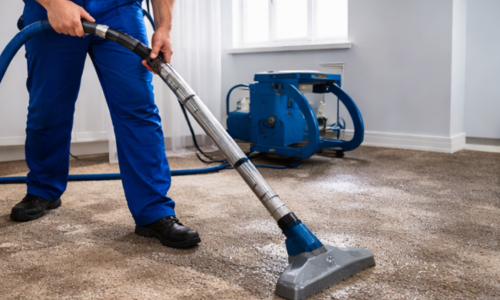
Typical Drying Time for Wet Carpet
The time required to dry wet carpet varies depending on the situation.
In general:
light moisture may dry within 6 to 12 hours with proper airflow
moderate water damage may take 1 to 2 days to dry
heavily saturated carpet from flooding can take 2 to 4 days with professional drying equipment
These timelines assume the correct drying methods are used. Without proper airflow and moisture removal, carpet can remain damp for much longer.
It is important to remember that the carpet surface may feel dry before the underlying materials are actually dry.
Factors That Affect Carpet Drying Time
Several variables influence how quickly wet carpet can dry after water damage.
Amount of Water Involved
The most important factor is how much water entered the carpet.
Small spills or minor leaks may only affect the carpet surface. However, flooding events can fully saturate the carpet, underlay, and subfloor. The greater the water volume, the longer drying will take.
How Long the Carpet Has Been Wet
The length of time carpet remains wet significantly affects restoration options.
If carpet is addressed quickly, it is often possible to dry and restore it successfully. However, if carpet remains wet for several days, mould growth may begin and the underlay may deteriorate.
In many cases, underlay will require removal even if the carpet itself can be saved.
Type of Carpet and Underlay
Different carpet materials behave differently when exposed to water.
Some carpets are designed with synthetic fibres that dry relatively quickly. Others, particularly thick carpets with dense padding, can retain moisture for extended periods.
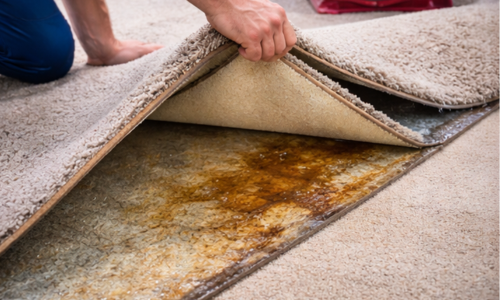
Underlay plays a major role in drying time. Foam underlay can hold large amounts of water and often needs to be removed during restoration.
Humidity and Climate
Humidity has a significant impact on drying time.
In Brisbane and coastal Queensland areas, high humidity slows the evaporation process. Even when airflow is present, moisture can remain trapped in materials unless professional dehumidification is used.
This is why drying methods that rely only on fans are often ineffective in humid climates.
Subfloor Material
The material beneath the carpet also affects drying.
Concrete subfloors behave differently from timber subfloors.
Concrete may appear dry but still hold moisture internally. Timber subfloors can absorb water and may require extended drying to prevent warping or mould growth.
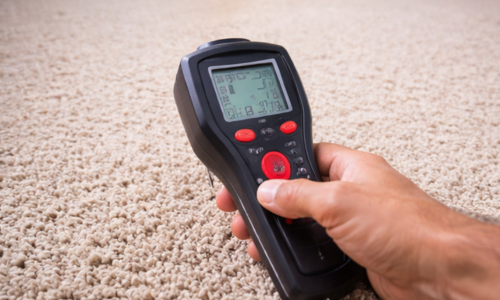
Professional moisture meters are typically used to determine when the structure is truly dry.
Why Wet Carpet Often Leads to Mould
One of the biggest risks of wet carpet is mould growth.
Mould requires three main conditions to grow:
moisture
organic material
suitable temperature
Wet carpet and underlay provide all three of these conditions.
In warm environments like Brisbane homes, mould can begin developing quickly if moisture remains trapped within flooring materials.
Once mould begins growing in carpet underlay or subfloors, removal of affected materials may be required.
Signs Your Carpet Has Not Dried Properly
Carpet may appear dry on the surface while moisture remains underneath.
Signs that carpet may still be damp include:
persistent musty smells
carpet feeling cool or clammy
staining or discolouration
mould appearing around skirting boards
recurring humidity in the room
If these signs are present, additional drying or inspection may be necessary.
Can Wet Carpet Be Saved After Water Damage?
In many cases, wet carpet can be restored if the drying process begins quickly.
Successful restoration depends on several factors including the type of water involved, the duration of exposure, and the condition of the carpet materials.
Clean water from a plumbing leak is often easier to manage than contaminated floodwater. Floodwater can introduce bacteria and debris that make restoration more difficult.
In some situations, the carpet can be dried and cleaned while the underlay is replaced.
What Happens During Professional Carpet Drying
Professional water damage restoration involves more than simply running fans in the room.
A structured drying process may include:
Water Extraction
The first step is removing as much water as possible using specialised extraction equipment. This reduces the amount of moisture that needs to evaporate.
Removal of Saturated Underlay
If underlay is heavily saturated, it may be removed to allow airflow to reach the subfloor.
Underlay often holds the majority of water in a carpet system.
Air Movers
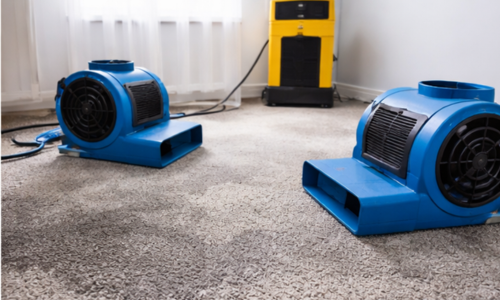
High-velocity air movers are positioned strategically to accelerate evaporation from carpet fibres and flooring materials.
These machines create continuous airflow across wet surfaces.
Dehumidification
Dehumidifiers remove moisture from the air so evaporation can continue effectively.
Without dehumidification, humidity may slow the drying process significantly.
Moisture Monitoring
Professional drying is monitored using moisture meters that measure moisture levels in carpet, subfloor, and building materials.
Drying continues until materials return to safe moisture levels.
Why DIY Carpet Drying Often Fails
Many homeowners attempt to dry wet carpet using household fans or open windows. While airflow can help, it often fails to remove moisture trapped beneath the carpet.
Common problems with DIY drying include:
moisture remaining in underlay
mould developing underneath the carpet
uneven drying across the room
humidity slowing evaporation
hidden water remaining in walls or flooring
Without moisture monitoring equipment, it is difficult to know whether materials are truly dry.
The Importance of Structural Drying
Structural drying refers to the controlled drying of building materials after water damage.
Carpet is only one part of the affected structure. Water can travel into:
skirting boards
wall cavities
insulation
timber framing
subfloors
Professional drying ensures these materials return to safe moisture levels to prevent long-term damage.
When Wet Carpet Must Be Removed
In some situations, carpet cannot be safely restored.
Removal may be required when:
carpet has been contaminated by floodwater
mould growth has already developed
carpet backing has deteriorated
underlay has degraded
the carpet has remained wet for extended periods
In these cases, removal allows the structure beneath to dry properly.
Preventing Mould After Carpet Water Damage
Once drying is complete, preventing future moisture issues is essential.
Preventive steps include:
repairing plumbing leaks promptly
ensuring adequate ventilation
monitoring humidity levels
responding quickly to future water events
addressing roof or gutter issues
Preventing moisture accumulation is the most effective way to avoid mould.
Water Damage and Carpet Drying in Brisbane Homes
Brisbane properties often experience water damage due to storm events, plumbing failures, and heavy rainfall. The local climate can make drying more difficult, particularly during humid periods.
Because of this, prompt drying and moisture monitoring are essential to prevent mould growth and building damage.
Professional water damage restoration helps ensure carpet and underlying materials are dried correctly and safely.
Final Thoughts
Wet carpet should never be ignored after water damage. While drying time varies depending on the situation, acting quickly is the best way to prevent mould growth and minimise damage to the building.
With the correct drying process, many carpets can be restored successfully. However, when moisture is allowed to remain trapped beneath flooring materials, the risk of mould and long-term damage increases significantly.
Ever Ready Solutions provides professional water damage restoration and structural drying services across Brisbane, Logan, and Gold Coast, helping property owners respond quickly to leaks, flooding, and moisture-related issues.
