How to Detect Hidden Mould Behind Walls and Ceilings in Queensland Homes
How to Detect Hidden Mould Behind Walls and Ceilings
Hidden mould is one of the most common issues affecting homes across Brisbane, Logan, and the Gold Coast. Many Queensland homeowners don’t realise mould is spreading behind their walls, inside ceilings, or through roof cavities until it becomes severe. Hidden mould grows quietly, and by the time a stain appears, the problem is often far larger than expected.
Humidity, moisture, insulation gaps, leaking pipes, and storm events create perfect conditions for mould to thrive out of sight. Because hidden mould releases spores into the air, it affects indoor air quality, causes ongoing health symptoms, and leads to major structural damage if not detected early.
This guide explains how to identify hidden mould behind walls and ceilings, the signs to look for, why it forms in Queensland properties, and the professional tools used to locate it accurately.
Why Hidden Mould Is So Common in Queensland Homes
Queensland’s warm and humid climate creates ideal mould conditions almost year-round. Homes in Brisbane, Logan, and the Gold Coast regularly experience high humidity levels, moisture intrusion from storms, and poor airflow inside bathrooms and bedrooms. These factors allow mould to form behind plasterboard, inside roof spaces, and in wall cavities without immediately showing visible signs.
Several climate and building factors contribute to hidden mould in SEQ:
• moisture trapped after storms or flooding
• leaking bathrooms and internal plumbing issues
• poorly ventilated bathrooms and laundries
• high humidity during summer
• air conditioning causing temperature fluctuations
• older homes with limited insulation
• roof leaks and broken flashing
• rising damp in ground-level walls
The Bureau of Meteorology notes that parts of Brisbane and the Gold Coast regularly sit above 60 percent humidity, creating ideal mould conditions indoors.
Source: https://www.bom.gov.au
When moisture becomes trapped behind a wall or ceiling, mould growth often begins within 24 to 48 hours.

Early Signs You May Have Hidden Mould Behind Walls or Ceilings
Even when the wall looks clean on the outside, your home may be showing warning signs. Hidden mould always produces subtle indicators, especially in homes across Brisbane, Logan, and the Gold Coast.
Musty or stale odours
A persistent damp smell coming from one area of the home is one of the strongest signs of hidden mould. These odours are caused by mould releasing gases known as MVOCs.
Discolouration
Yellow, brown, or faint grey stains on walls or ceilings suggest moisture intrusion and mould spreading from behind the surface.
Bubbling or peeling paint
Moisture pushes through paint layers, causing bubbling, blistering, or peeling. This indicates trapped moisture behind the wall.
Soft or swollen plasterboard
If a wall feels soft when pressed, or looks warped or swollen, moisture has likely been absorbed inside it.
Condensation on walls
Persistent condensation means the room cannot dry properly and mould is likely active inside the cavity.
Visible mould in one area
If mould appears on the surface of one wall, it often means the problem extends behind or above it as well.
Unexplained allergies or irritation
Sneezing, coughing, fatigue, headaches, or irritated eyes indoors can be caused by spores entering the air from a hidden mould source.
Source: https://www.health.qld.gov.au/public-health/environmental-health/mould
How Professionals Detect Hidden Mould Behind Walls and Ceilings
Finding hidden mould requires specialised tools and experience. Professional mould inspectors, such as Ever Ready Solutions, use non-invasive technology to identify moisture, leaks, and mould growth behind building materials without damaging them.
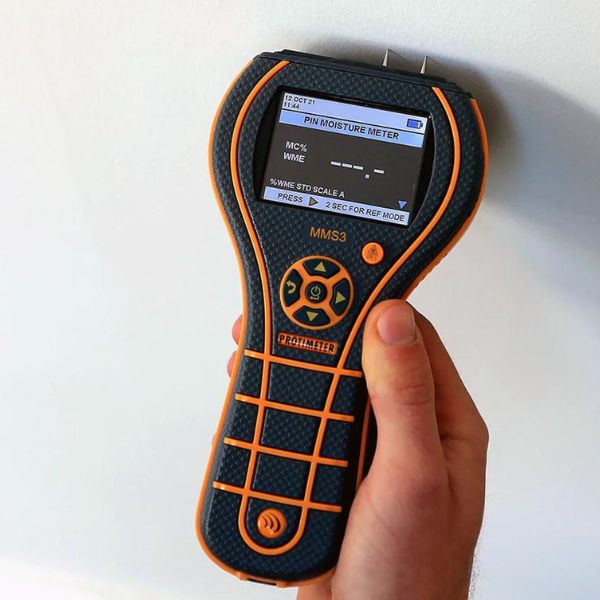
Moisture meters
These devices measure moisture levels inside walls and ceilings. High readings confirm active moisture intrusion — the number one cause of hidden mould.
Thermal imaging cameras
Infrared cameras detect temperature differences, revealing cold, damp sections that indicate leaks or moisture pockets. This is essential for locating mould behind walls in bathrooms, bedrooms, and laundries.
Hygrometers
Humidity testing determines whether a room’s moisture levels are high enough to sustain mould growth.
Borescope cameras
Where necessary, a small inspection hole allows a camera to look inside the wall cavity and confirm mould presence without major demolition.
Air testing
Air samples measure mould spore counts. Elevated levels often confirm hidden mould behind ceilings or inside walls.
Surface testing
Tape-lift or swab samples determine mould species and help confirm if visible staining is mould growth.
If you want to link this section internally, add a link such as:
Learn more about our mould inspection services here:
https://everreadysolutions.com.au/mould-inspection
Areas Most Likely to Hide Mould in Queensland Properties
Homes across Brisbane, Logan, and the Gold Coast share several structural areas where hidden mould is extremely common:
• behind bathroom shower walls
• bedroom walls exposed to humidity
• walls behind wardrobes or furniture
• ceilings above bathrooms and laundries
• roof cavities after storms
• laundry walls with poor ventilation
• walls near leaking windows
• older homes with inadequate insulation
• ground floor walls exposed to rising damp
Because these areas trap moisture and stay dark, mould often grows for months before a homeowner notices.

Why Hidden Mould Needs Immediate Attention
Ignoring hidden mould can lead to significant damage and health risks. Mould spreads rapidly behind plasterboard and can impact home structure and air quality.
Hidden mould can cause:
• rotting timber framing
• damaged plasterboard
• foul odours throughout the home
• chronic allergy symptoms
• deterioration of insulation
• damaged electrical wiring
• mould spreading into multiple rooms
• expensive structural repairs
Once mould moves through a wall cavity, it rarely stays contained.
If you suspect hidden mould, you can link this naturally:
Book a professional moisture inspection:
https://everreadysolutions.com.au/moisture-inspections
What To Do if You Suspect Hidden Mould
Here are the safest steps to follow:
Do not cut into the wall or ceiling
Opening the cavity releases thousands of spores into the air.Avoid bleach
Bleach only removes surface staining and does not penetrate plasterboard.Arrange a professional mould inspection
This identifies the moisture source and detects mould behind materials.Fix the moisture problem
Mould always returns unless the leak or humidity issue is resolved.Allow trained technicians to remediate the area
Proper containment, HEPA filtration, and safe removal prevent further contamination.
For safe, certified mould remediation across Brisbane, Logan, and the Gold Coast, refer to:
https://everreadysolutions.com.au/mould-removal
Final Thoughts
Hidden mould behind walls and ceilings is a serious issue that many Queensland homeowners deal with, often without knowing it. Because mould grows silently and spreads inside dark, damp cavities, early detection is essential for preventing structural damage and protecting indoor air quality.
With the right inspection tools and professional support, hidden mould can be located, treated, and prevented from returning.
Ever Ready Solutions provides mould inspections, moisture testing, and full remediation services across Brisbane, Logan, and the Gold Coast. Our team identifies the source of mould, locates hidden growth, and creates long-term solutions to restore your home to a clean, safe condition.
