Hidden Mould Behind Walls: How It’s Found in Queensland Homes
Hidden Mould Behind Walls: How It’s Found
Hidden mould behind walls is one of the most common and most overlooked mould problems in Queensland properties. In many cases, occupants are unaware there is a mould issue at all until health symptoms appear, odours develop, or visible damage begins to show on walls or ceilings.
In Brisbane, Logan, and surrounding areas, hidden mould is often the reason mould keeps returning despite repeated cleaning. When mould grows inside wall cavities, it cannot be resolved by surface treatment alone. Identifying it requires a professional approach focused on moisture behaviour, not just visible growth.
This article explains how hidden mould forms behind walls, the signs that indicate it may be present, and how professional inspectors locate it safely and accurately.
What Is Hidden Mould?
Hidden mould refers to mould growth that develops in areas not visible during normal day-to-day use of a property. This includes mould growing inside wall cavities, behind plasterboard, behind tiles, inside insulation, or behind fixed cabinetry.
Because this mould is concealed, it often goes undetected for long periods. During this time, mould spores can spread throughout the building, affecting indoor air quality and occupant health without any obvious visual warning signs.
Hidden mould is particularly common in Queensland due to warm temperatures, high humidity, and frequent moisture exposure.
Why Hidden Mould Is So Common in Queensland Homes
Queensland homes are especially vulnerable to hidden mould for several reasons.
Warm, humid conditions allow mould to grow year-round. Buildings are often sealed for air conditioning, which limits natural ventilation and traps moisture indoors. Storm events, roof leaks, plumbing issues, and condensation all introduce moisture that can remain trapped behind walls.
In many Brisbane and Logan properties, moisture enters wall cavities without leaving obvious surface damage. As a result, mould can grow undisturbed for months before it becomes visible.
Common Causes of Hidden Mould Behind Walls
Hidden mould does not appear without a moisture source. Identifying that source is the most important part of any inspection.
Plumbing Leaks
Slow leaks from pipes inside walls are a leading cause of hidden mould. These leaks may not drip visibly but can keep wall cavities damp for extended periods.
Common plumbing-related causes include:
leaking pipe joints
damaged water lines
shower or bath plumbing failures
laundry and kitchen pipe leaks
Because the moisture is constant, mould growth can become extensive before detection.
Roof Leaks and Water Ingress
Roof leaks often allow water to travel down internal wall cavities rather than dripping directly into living spaces. This can result in mould growth inside walls without obvious ceiling stains at first.
Wind-driven rain, damaged flashing, and blocked gutters are common contributors in South East Queensland.
Condensation Inside Wall Cavities
Condensation is one of the most misunderstood causes of hidden mould.
Warm, humid indoor air can enter wall cavities through small gaps. When this air cools, moisture condenses on cooler surfaces inside the wall, providing enough moisture for mould to grow.
This is common in:
air-conditioned homes
poorly insulated walls
bedrooms and living areas
properties with limited ventilation
Condensation-driven mould often goes undetected because there is no single leak to find.
Flooding and Past Water Damage
After flooding or water damage, moisture can remain trapped inside walls even after surfaces appear dry. If drying was incomplete, mould may continue growing behind walls long after the event.
This is why mould can appear months after a flood or storm if drying was not properly managed.
Bathroom and Kitchen Moisture
Bathrooms and kitchens generate large amounts of moisture. Over time, moisture can migrate behind tiles, splashbacks, and walls, particularly if waterproofing has failed.
Hidden mould in these areas is common and often mistaken for surface mould problems.
Signs That Suggest Hidden Mould Behind Walls
Hidden mould rarely announces itself clearly. Instead, it produces subtle warning signs that are often overlooked.
Common indicators include:
persistent musty or earthy smells
unexplained respiratory irritation
worsening asthma or allergies indoors
paint bubbling or peeling
wall discolouration
soft or swollen plasterboard
mould repeatedly returning in the same area
increased condensation on walls
These signs often indicate a moisture problem inside the wall rather than surface contamination.
Why Surface Cleaning Does Not Fix Hidden Mould
Surface mould cleaning addresses only what can be seen. It does not remove mould growing behind walls or eliminate the moisture feeding it.
This is why mould often returns shortly after cleaning. The hidden source continues releasing spores into the air, which settle back onto cleaned surfaces.
Without identifying and addressing hidden mould, cleaning alone becomes a cycle of short-term fixes.
How Professional Inspectors Find Hidden Mould
Finding hidden mould requires more than visual inspection. Professional mould inspectors use a combination of methods to locate moisture and assess risk without unnecessary damage.
Moisture Detection and Measurement
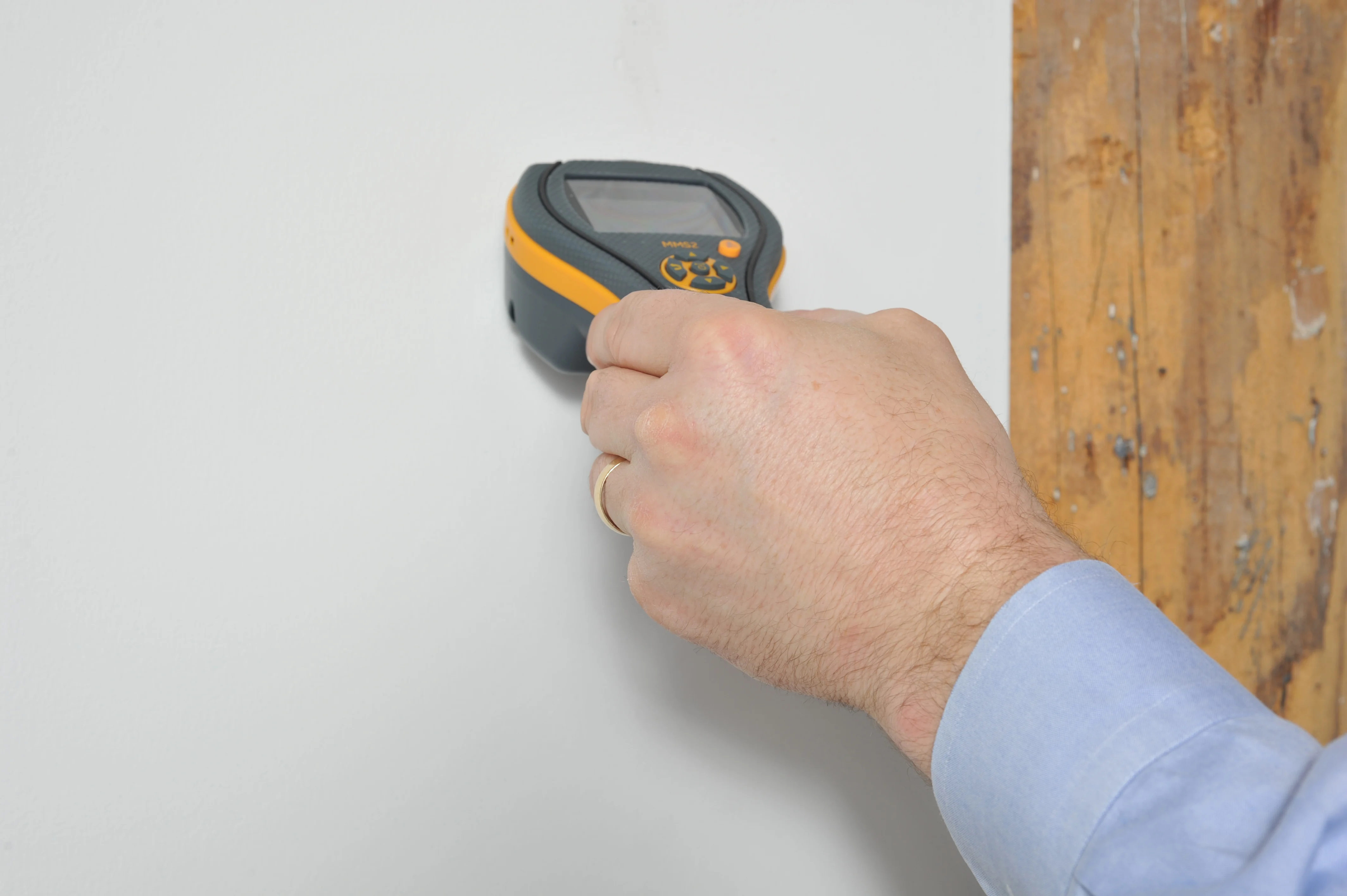
Moisture meters are used to detect elevated moisture levels inside walls. These tools allow inspectors to identify damp areas that are not visible on the surface.
Consistently elevated moisture readings are a strong indicator that mould may be present behind walls.
Thermal Imaging
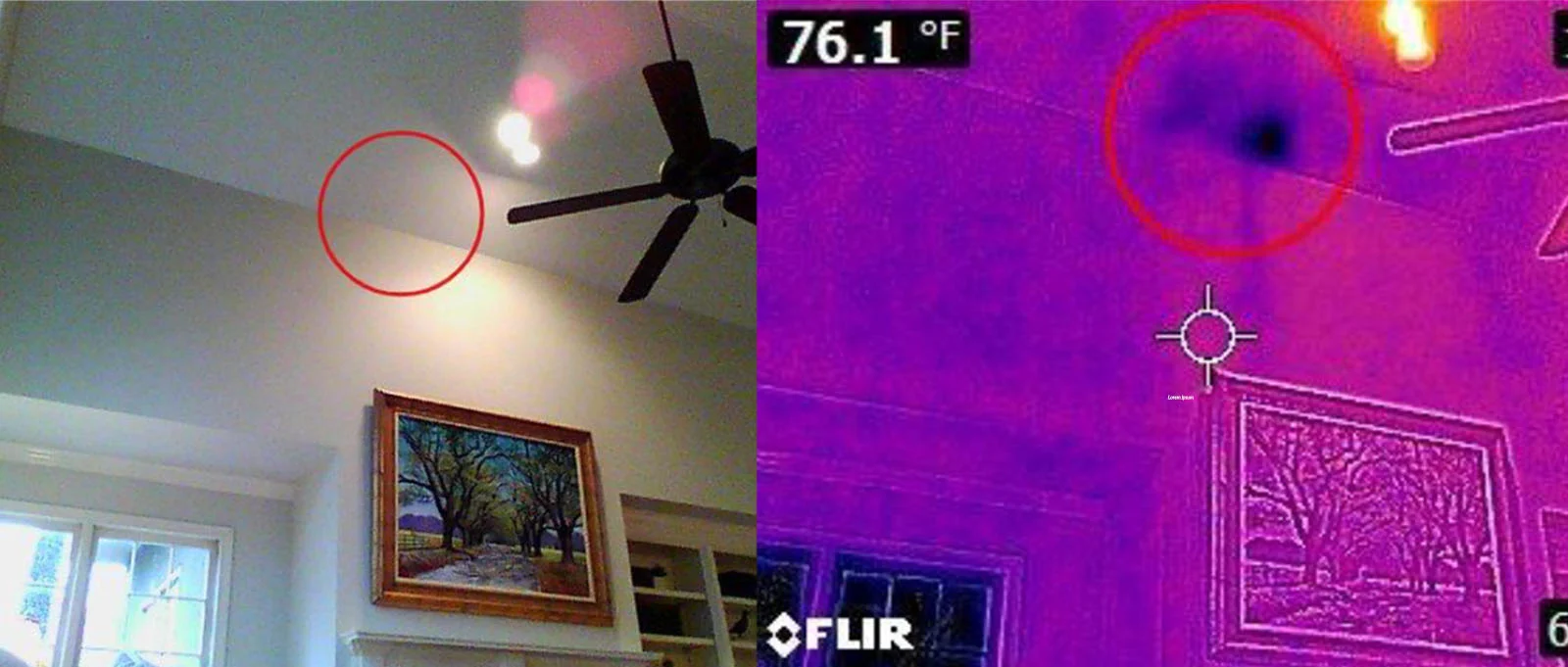
Thermal imaging cameras can identify temperature differences that indicate moisture accumulation. Damp materials often appear cooler than surrounding dry areas.
Thermal imaging helps inspectors narrow down problem areas without invasive testing, reducing unnecessary disruption.
Visual Pattern Analysis
Experienced inspectors look for patterns rather than isolated spots. Mould and moisture patterns often reveal how water is moving through the building.
For example:
vertical staining may indicate plumbing issues
localised patches after rain suggest roof ingress
widespread moisture suggests condensation
Pattern recognition is critical for accurate diagnosis.
Assessing High-Risk Wall Areas
Certain wall locations are more prone to hidden mould and are given special attention during inspections.
These include:
walls behind bathrooms and laundries
external walls
walls adjacent to plumbing
walls behind cabinetry
walls below rooflines
Inspecting these areas helps identify problems early.
When Invasive Investigation Is Considered
In some cases, limited invasive inspection may be recommended. This is done only when evidence strongly suggests hidden mould and non-invasive methods are insufficient.
Invasive inspection is targeted, controlled, and minimised to avoid unnecessary damage.
The Role of Mould and Moisture Inspections Together
Hidden mould cannot be properly addressed without understanding moisture behaviour. This is why mould inspections are often paired with moisture inspections.
Together, they allow inspectors to:
identify the moisture source
assess current mould risk
determine whether mould is active or historical
guide appropriate remediation
This approach prevents unnecessary removal of materials and ensures long-term solutions.
Health Risks Associated With Hidden Mould
Hidden mould can have a significant impact on indoor air quality. Because it grows out of sight, exposure can continue for long periods.
Potential health effects include:
respiratory irritation
chronic coughing
headaches
fatigue
allergic reactions
worsening asthma symptoms
Children, elderly occupants, and people with respiratory conditions are particularly vulnerable.
Why Hidden Mould Often Goes Undetected for So Long
Hidden mould remains undetected because:
there are no visible signs initially
odours are mistaken for general dampness
symptoms are attributed to other causes
surface cleaning temporarily masks the problem
By the time visible mould appears, the issue is often well established.
Why Professional Mould Inspections Matter
Professional mould inspections are designed to identify causes, not just symptoms. They provide objective data that allows informed decisions about remediation.
Without inspection, remediation efforts are often incomplete or excessive, leading to unnecessary cost or recurring mould problems.

Hidden Mould in Rental and Managed Properties
Hidden mould is a frequent issue in rental properties across Brisbane and Logan. Disputes often arise when mould is treated as a cleaning issue rather than a moisture problem.
Professional inspections help:
identify contributing factors
provide clear documentation
support fair tenancy outcomes
prevent repeat issues
Objective reporting is critical in these situations.
Preventing Hidden Mould Long Term
Preventing hidden mould focuses on controlling moisture before mould has a chance to grow.
Effective prevention includes:
addressing leaks promptly
managing indoor humidity
ensuring adequate ventilation
maintaining insulation
conducting regular inspections in high-risk areas
Early identification is the most effective prevention strategy.
Final Thoughts
Hidden mould behind walls is one of the most serious and least understood mould problems in Queensland properties. It cannot be resolved through surface cleaning alone and often goes undetected until damage or health concerns arise.
Understanding how hidden mould forms and how it is found is essential to preventing ongoing issues. Professional mould inspections provide the insight needed to address mould properly and protect both property and occupant health.
Ever Ready Solutions provides professional mould inspections and moisture assessments across Brisbane, Logan, and South East Queensland, focusing on identifying causes, not just visible symptoms.
